How to Tell the Difference Between Wrong Fuel and a Failing Fuel Pump
Wrong fuel symptoms are immediate, developing within minutes of refuelling and affecting the entire engine all at once. By contrast a failing fuel pump is a gradual development with whining noises, high speed sputtering and hard starts. If your car ran well before filling it up last time, don’t blame the pump, suspect the fuel.
Either problem leads to a rough running engine that will lose power and may cut out. Either can leave you stranded on the side of the road wondering what the hell just happened. And because they have so many symptoms in common, many drivers pay for the wrong repair first. The good news is a couple of simple checks tell the two apart before you spend a buck.
Why Wrong Fuel and Fuel Pump Problems Get Confused
The engine doesn’t care why it is starved of usable fuel. Whether the tank is full of petrol instead of diesel or the pump cannot push the fuel forward at the right pressure, the result on the dashboard looks the same. Misfires, hesitation, warning lights and a car that feels like it is running out of breath.
For this reason, a diagnostic scan rarely answers the question by itself. Either way you will get fault codes for low fuel pressure or misfires. What makes them different is not what the engine does, but when it started doing it and what you see when you look a little closer.
Wrong Fuel Symptoms After Refuelling
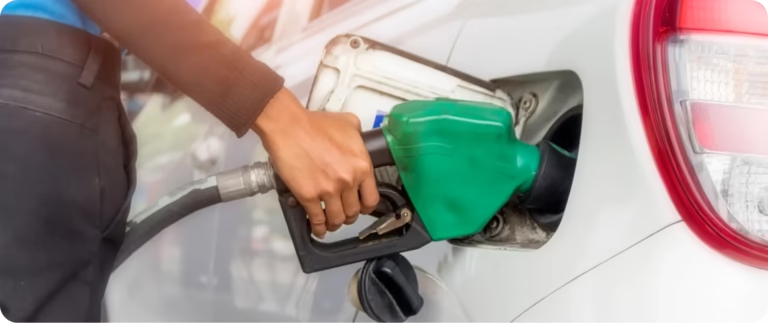
A misfuel announces itself fast. The majority of drivers are aware that they have a problem within a few kilometres of leaving the garage, often before they have even left the forecourt. The usual pattern is like this:
- Engine starts but runs rough almost immediately, often with knocking or rattling
- Power will noticeably drop, especially during acceleration.
- Sometimes more than usual dark or strong smelling smoke comes from the exhaust.
- Each time the car stalls or cuts out it gets harder to restart.
- Warning lights come on in clusters, not individually.
Timeline is the defining feature. All was good, you got filled up and then it wasn’t. The symptoms are also permanent as opposed to intermittent because every drop the engine takes is contaminated. It really depends how far you drive after the misfuel, which is why stopping early is so important, how bad things get from there.
Failing Fuel Pump Symptoms and Warning Signs
Fuel pumps don’t just croak one afternoon. It usually deteriorates over days, weeks or even months, and the symptoms come on gradually:
- A high pitched whirring noise from the back of the car, near the fuel tank. A good pump hums quietly, a bad pump complains loudly.
- Surging or sputtering at highway speeds when the demand for fuel is highest.
- Longer cranking before the engine starts, especially on hot days or when the tank is low.
- Loss of power when under load such as going up hills or towing, that returns when demand decreases.
- Deteriorating fuel economy without any change in driving habits.
See the difference of character. Pump symptoms are intermittent, depending on demand, heat, and fuel level. Wrong fuel symptoms come on all at once and persist. A pump problem also has nothing to do with your last visit to the servo. Which brings us to the most useful test.
The Last Fill Test: Timing Tells You Almost Everything
Answer this question truthfully first: when did the trouble start in relation to your last refuel?
If it began acting up within minutes or a few km of filling up, it’s a fuel problem until proven otherwise. Review your receipt. Look at the nozzle you chose. If you drive a diesel, and the docket says unleaded, or the litres and price don’t add up to what you usually buy – you have your answer.
If your car has been gradually getting harder to start for the last two weeks, whining from the rear and stumbling at 110 on the highway and your last three fills were all just fine, the pump is high on the suspect list.
There’s one catch you may want to know. Petrol in a diesel tank doesn’t always show dramatic symptoms, especially if there was a good amount of diesel in the tank to dilute it. The engine will run acceptably while the pump quietly wears below. So a quiet start doesn’t mean you can’t have a misfuel; the receipt check still matters.
Wrong Fuel vs Fuel Pump Failure at a Glance
| What to check | Wrong fuel | Failing fuel pump |
| When it started | Within minutes of your last fill | Builds up over days or weeks |
| Noise | Knocking or rough combustion from the engine | High pitched whine from the rear, near the tank |
| Starting | Cranks but struggles or stalls soon after refuelling | Long cranking, worse on hot days or with a low tank |
| Exhaust smoke | Often heavy, dark or unusual smoke | Usually no change in smoke |
| Pattern | Constant from the moment it began | Comes and goes, worst under load or at speed |
| Receipt check | Wrong nozzle or wrong fuel type on the docket | Correct fuel on every recent receipt |
When Wrong Fuel Causes the Fuel Pump to Fail
The uncomfortable overlap: These two problems aren’t always separate. In a diesel the fuel itself is the lubricant for the high pressure pump. Petrol washes that lubrication away and once the engine is running on the mix metal parts inside the pump begin to rub together. Misfuel becomes a pump failure if you run it long enough.
That’s why it’s so important to order the events when you describe the problem to a mechanic. A pump that failed one week after a suspected misfuel is no coincidence, probably. If you’ve already run the engine on the wrong fuel, it’s imperative to kill it and get it checked out, and our guide to what to do once the engine has been started walks through exactly that.
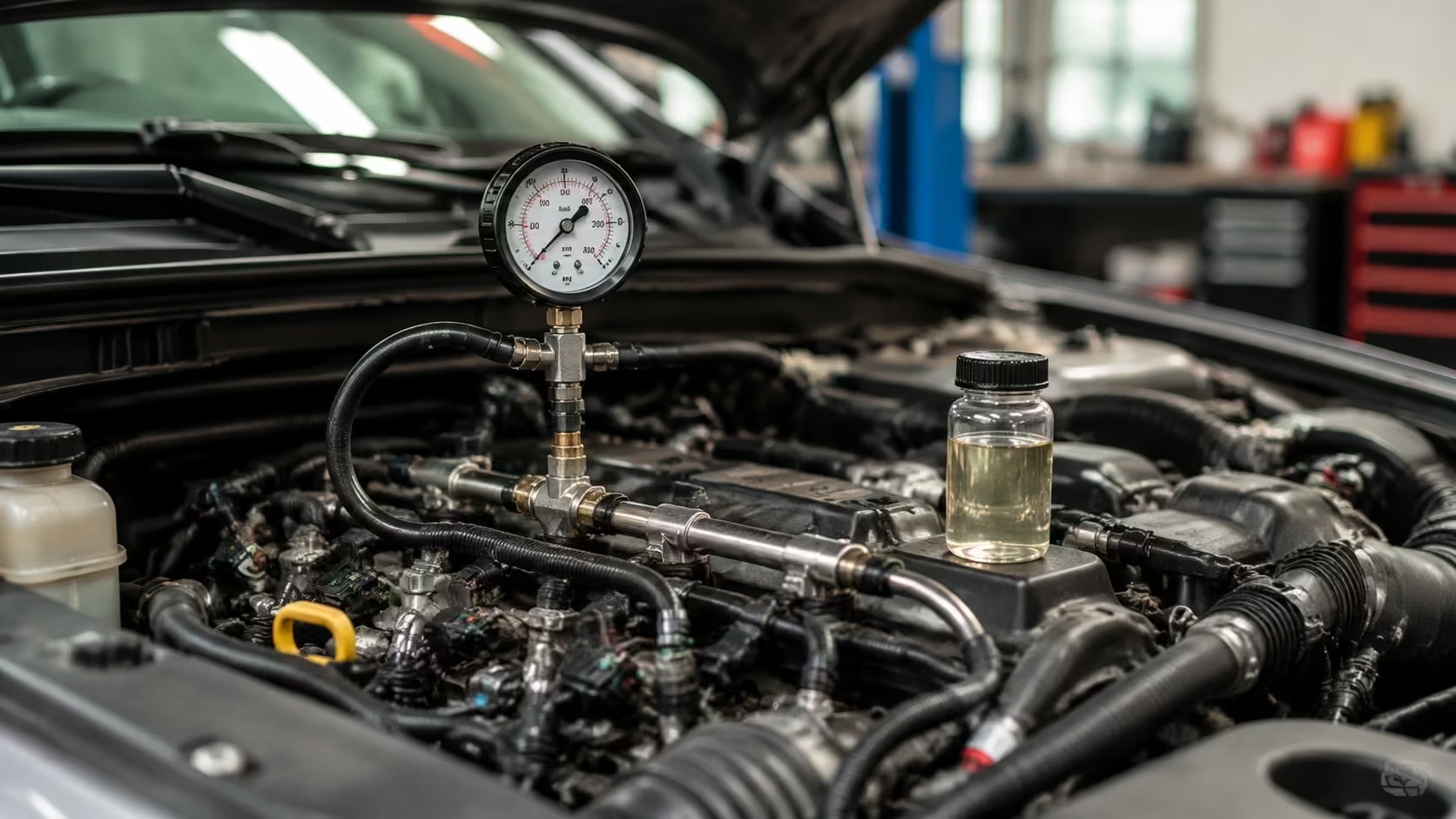
The assessment is what tells you which side of the line you are on – a straight drain and flush, or component damage. Testing fuel pressure and checking the filter for metal particles will tell you if the damage is permanent or the pump survived.
Steps to Confirm the Cause Before Paying for Repairs
If you want to be systematic about it, work through these in order:
- Check your last fill receipt for the petrol type, litres and price.
- Recall when the symptoms began. Sudden, and post fill, means fuel. Gradual means the pump.
- Ignition on, listen at the rear of the vehicle. There is a loud whine from the pump.
- Don’t keep driving to see if it clears. Both problems are more expensive per kilometre.
- Before approving a pump change, be sure to check the fuel. A fuel sample takes minutes and could save you a four figure repair bill.
That last step is the one that saves your wallet. Replacing a fuel pump will not fix anything if the tank has contaminated fuel. The new pump will have the same problem.
Mobile Fuel Drain and Diagnosis Across Newcastle
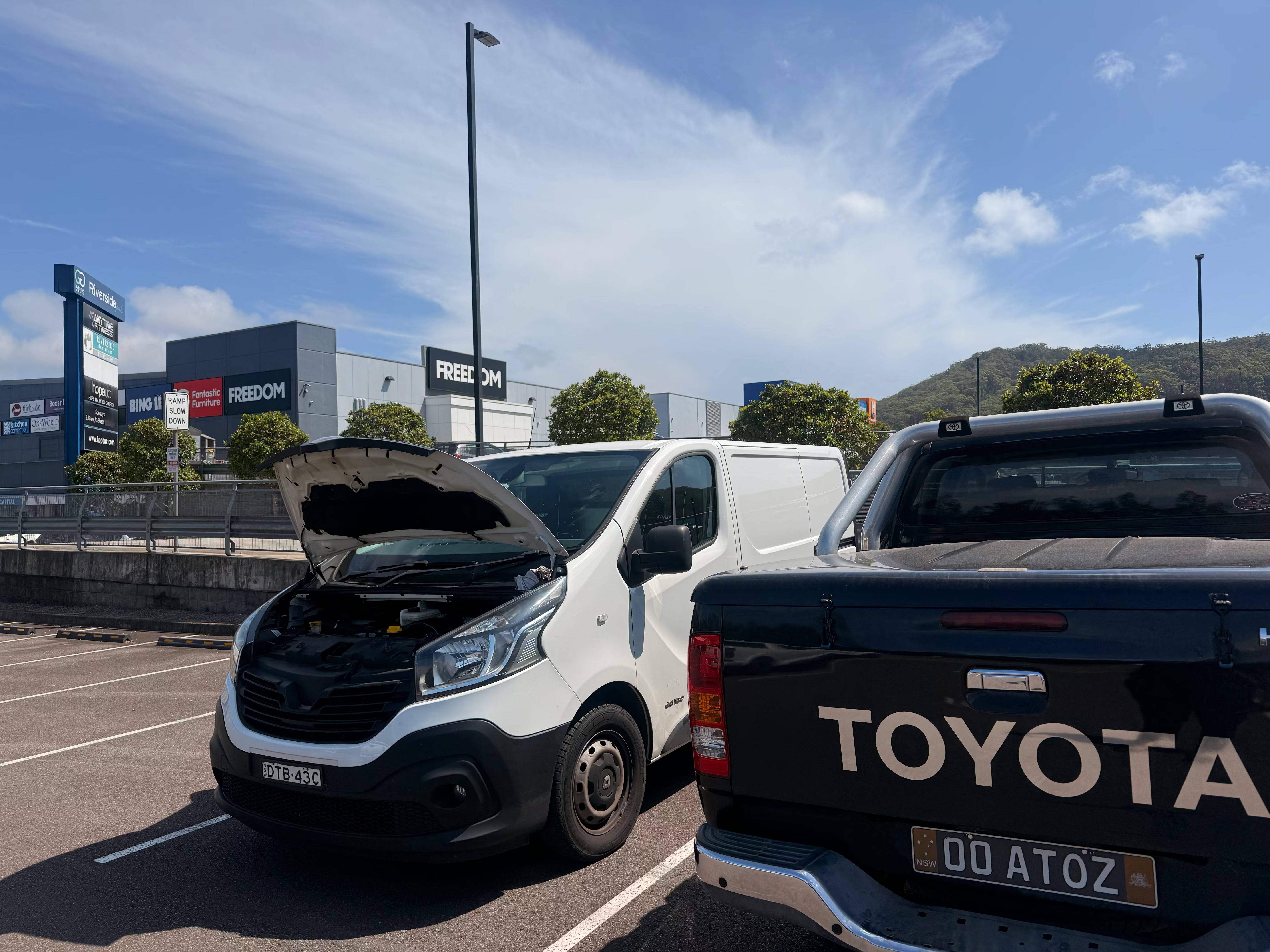
If your car started playing up straight after a fill anywhere in Newcastle, Lake Macquarie, Maitland, Central Coast or the wider Hunter region, don’t re-start the engine and don’t guess. A mobile technician can sample the fuel, test system pressure and confirm whether you are dealing with a misfuel, a tired pump or a misfuel that has damaged the pump on the spot.
Wrong Fuel Help is open 24 hours, 7 days. In most cases a full drain and flush is done at the roadside in less than an hour, and no need of towing. Call 0432 553 905 and tell us what happened at the pump, the timeline you give us is often enough to know what we will find before we get there.
FAQ
Can a fuel pump fail suddenly without any warning signs?
Exactly. Most pumps will give you early warning signs such as whining, sputtering at speed or hard starts, but some will just fail abruptly, especially in high mileage vehicles. A sudden pump failure is a plausible cause if your car cut out without refuelling and won’t restart.
Will an OBD scanner tell me if the problem is wrong fuel or the fuel pump?
Not usually. Both problems can set the same low fuel pressure and misfire codes because the engine only knows it is not getting usable fuel. The fault codes point to the fuel system, but a fuel sample check and fuel pressure test are required to confirm the cause.
Does contaminated fuel from a service station cause the same symptoms?
It might. Water, debris or mixed fuel from a station tank can cause symptoms very similar to a misfuel, such as rough running and stalling shortly after filling up. The timing clue is still good: if trouble began immediately after a fill, the fuel is the first suspect, even if you used the correct nozzle.
Is a fuel drain cheaper than replacing a fuel pump?
Almost always. A mobile fuel drain and flush is a fraction of the cost of replacing the pump, which involves parts and labour and often means dropping the tank. That’s why it’s so important to act quickly after a misfuel. By draining the tank before the pump wears out, you save yourself the far more expensive repair.