Can Wrong Fuel Trigger a Check Engine Light With No Other Symptoms?
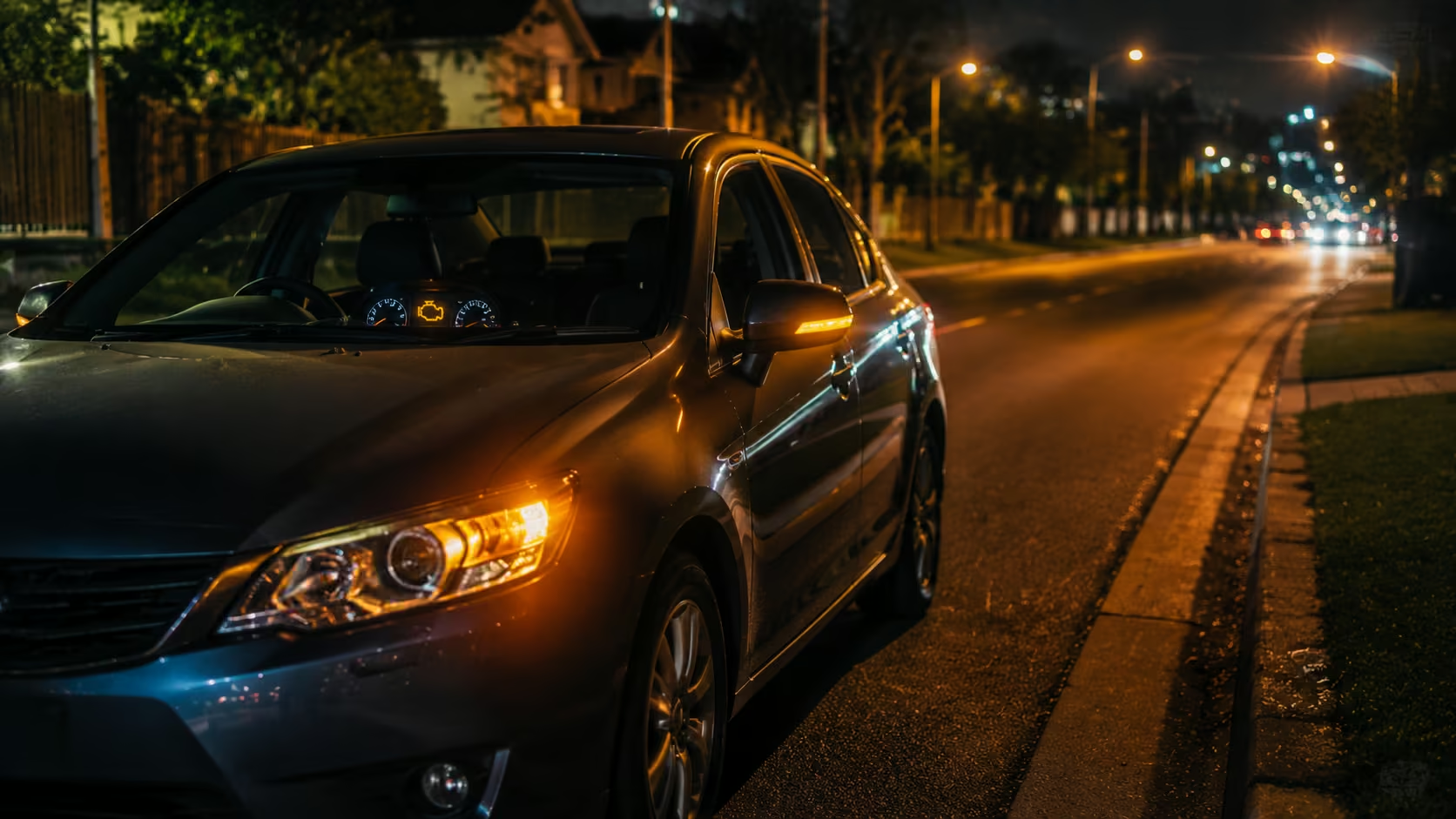
Yes, wrong fuel can cause the check engine light to come on before you experience any symptoms, especially after a small misfuel that has been diluted with the correct fuel already in the tank. The sensors detect the abnormal combustion and fuel trim long before the driver. See the light as a warning and stop driving.
It’s a weird feeling. You topped up ten minutes ago, the car runs exactly as it always does, and still there is an amber engine symbol glaring at you from the dashboard. No smoke. No rough idle. No loss of power. Most drivers in this spot talk themselves out of that worry. That instinct is understandable and that is exactly how a minor misfuel turns into a major repair.
Check Engine Light After Refuelling and What the Sensors Detect
Your engine management system doesn’t wait for the engine to start running badly before it speaks up. It monitors combustion dozens of times a second, using oxygen sensors, fuel pressure sensors, knock sensors and misfire counters. As soon as the computer sees fuel burning outside the normal range, it starts to compensate by adjusting fuel trim. When those adjustments run out or a sensor reading wanders too far out of normal range a fault code is stored and the light comes on.
But here’s what most drivers miss: the computer can compensate for it well enough that you don’t feel anything at all. Modern engines are very good at hiding a problem from the seat of your pants, while quietly recording it in the background. The light is not too sensitive. It is telling you of a reality not yet big enough to be felt.
Small Misfuels and the Dilution Effect
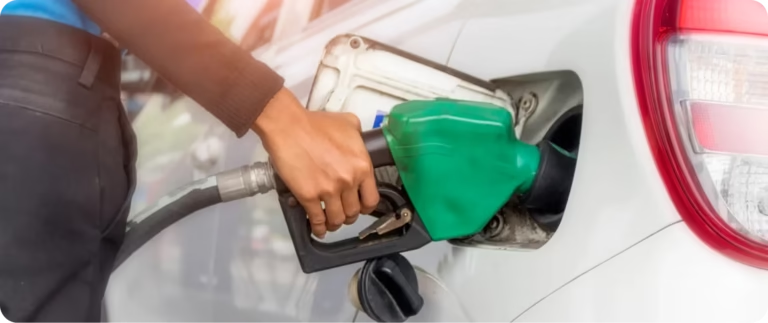
Here’s the classic version of the scenario. A driver puts five or ten litres of the wrong fuel in a tank that was still half full of the right fuel, realises the mistake, stops pumping and tops up with the right fuel to dilute it. The car runs fine. It drives the good. Twenty minutes later, the check engine light is illuminated.
The dilution added time, not safety. Even a small percentage of petrol in a diesel will thin the fuel to the point that there will be insufficient lubrication to protect the high pressure pump and injectors. In a petrol engine a splash of diesel will upset the combustion enough to confuse the sensors, but not enough to cause obvious misfires. In any case the contamination is real, the wearing is going on, and the light is the only witness ready to say so.
This is also why the light alone is not permission to proceed until symptoms appear. There is no amount of distance you can drive on contaminated fuel that makes things better. We discuss in our guide to why every extra kilometre increases the risk.
Silent Wrong Fuel Damage While the Car Feels Normal
The most expensive misfuels we attend are seldom the dramatic ones. The car that breaks down at the bowser has its fuel syphoned out before the engine even runs on it. The really dangerous ones are the quiet ones, where the vehicle continues to perform acceptably while the diluted mix works its way through the system.
In a diesel it means the high pressure pump running with less lubrication for every kilometre travelled, wearing inside without a single audible complaint. In a petrol engine this means unburnt or poorly burnt fuel loading up the catalytic converter. Neither produces symptoms until the damage is far advanced. If the check engine light is on but you don’t have any other symptoms, it’s often the best case scenario in disguise: the earliest possible warning before the expensive part fails.
Wrong Fuel Warning Signs Beyond the Dashboard
If the light has come on after a fill and you’re trying to figure out if fuel is the cause, run through these checks before you assume a sensor glitch:
- Check your receipt. Confirm the fuel type, the litres and price per litre match your vehicle.
- Consider the nozzle. Diesel nozzles are bigger and will often struggle to fit into petrol filler necks, but petrol nozzles will slide into diesel filler holes with absolutely no resistance at all.
- Odour the filler area. Petrol and diesel smell very different, and any smell that doesn’t seem right is worth paying attention to.
- Get the pump back. The chances of a mix up increase dramatically if you are at an unfamiliar servo, at night or filling a vehicle that you do not normally drive.
If any of those checks make you doubt, treat the tank as if it were contaminated until a fuel sample proves otherwise. If everything checks out clean but the light remains on, the cause may be elsewhere in the fuel system, and it’s worth reading up on whether a tired pump could be the real culprit before spending money on diagnosis.
Steps to Take When the Light Appears After a Fill
- Pull over in a safe spot and turn off the engine. The light has already told you the system found a fault, running the engine to see if it clears just circulates more fuel.
- Confirm or rule out misfuel by checking your receipt and the filler cap label.
- Don’t clear the code and drive on. The code is evidence to help the technician , and clearing it does nothing .
- Don’t add the right fuel to dilute the problem. It adds volume to a tank already contaminated and does nothing to change what has already entered the lines.
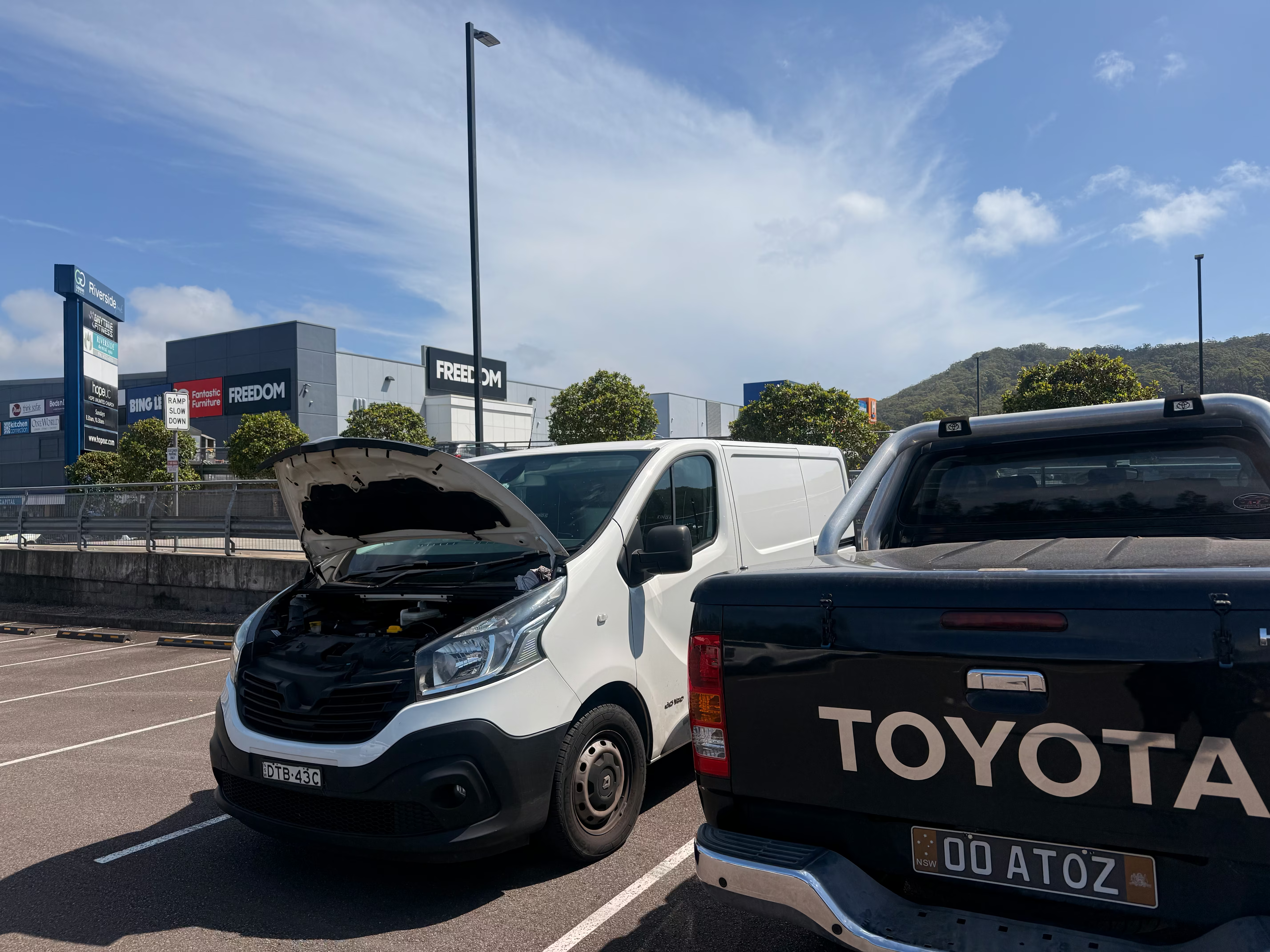
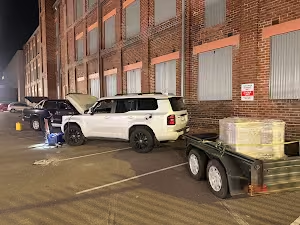
- Call a mobile fuel recovery specialist to sample the fuel and test the system at the location where the car is sitting.
That changes the urgency, not the result, if the engine has been running since the fill. Our guide to what’s next after the key is turned explains why turning off quickly is the best way to protect all that follows.
Mobile Fuel Testing and Drain Services in Newcastle
A check engine light after a fill-up deserves an answer, not a guess. Wrong Fuel Help services vehicles throughout Newcastle, Lake Macquarie, Maitland, the Central Coast and the Hunter region with the equipment to sample the tank, confirm what is in it and do a full drain and flush on the spot if contamination is found. You will also know if the fuel comes back clean and can chase the real fault without paying for work you did not need.
We are open 24 hours a day, 7 days a week. Call 0432 553 905 tell us when the light came on compared to your last fill and we will honestly tell you if it sounds like a fuel problem before we even arrive.
FAQ
Will the check engine light turn off by itself after a fuel drain?
Sometimes after several full drive cycles on clean fuel. Typically the technician will clear the stored fault codes after the drain and flush and then ensure they do not return during a test run. A good drain should cure the light . If it comes back then something else needs looking at.
Can I just clear the code with an OBD scanner and keep driving?
No. Clearing the code will clear the warning not the contaminated fuel. Within minutes the sensors will discover the same problem again, but in the meantime, the wrong fuel is still circulating through the parts that the light was trying to protect.
Does a flashing check engine light mean something different to a solid one?
Yes. A solid light means a fault has been detected and recorded. A flashing light usually means an active misfire severe enough to damage the catalytic converter and you should stop driving immediately, whatever the cause turns out to be.
Will one or two litres of wrong fuel always trigger the light?
Not always. A very small splash, heavily diluted in a large tank of correct fuel, may not push combustion far enough outside the normal range to log a fault. No warning does not mean no wear so the safest bet is to get the fuel checked.