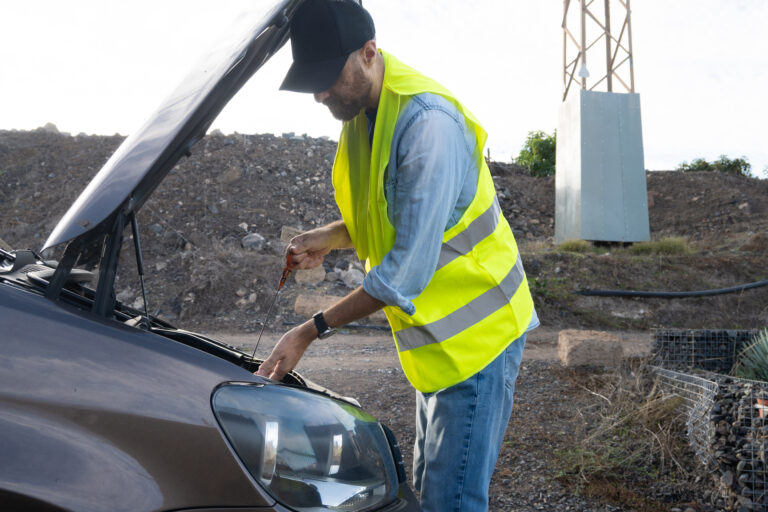
Started the Engine After Wrong Fuel? Here Is What to Do Right Now
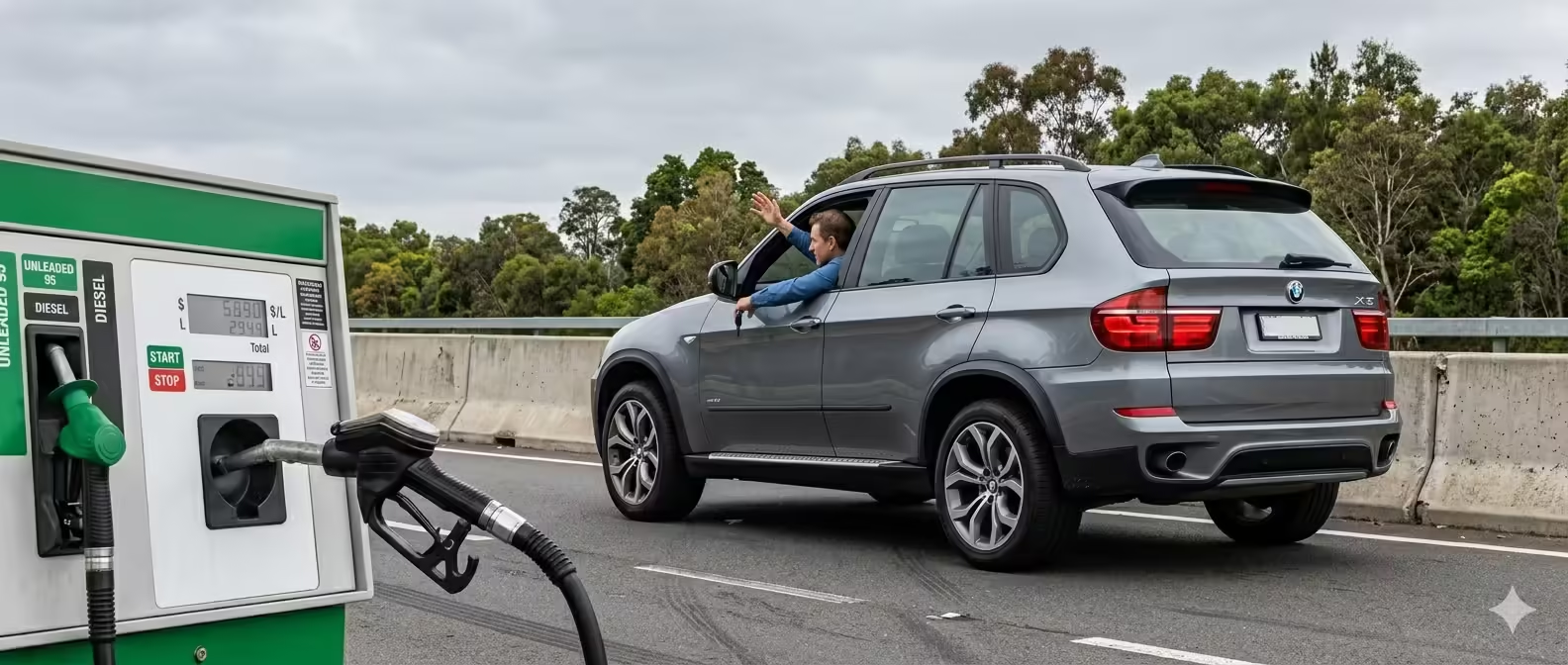
The first thing to know if you started the engine after putting the wrong fuel in is this: it does not mean your engine is automatically ruined.
Yes, it makes the situation worse. But the outcome now depends almost entirely on what you do in the next few minutes, not on what has already happened.
If you are in the car now then stop reading and call us on 0432 553 905. Go ahead if you have a moment.
What Happens to Your Car When You Run It on Wrong Fuel
Diesel fuel is used to lubricate the high pressure fuel injection system in a diesel engine. The fuel pump and injectors run at pressures up to 30,000 PSI . Diesel lubricates them as it flows through .
Petrol doesn’t do that. It dissolves things. As soon as the petrol got into your injection system and the engine started, the lubrication that was protecting the fuel pump was gone. But now metal was grinding against metal.
The longer the engine runs the more petrol flows. The more it circulates, the more it strips down those components.
That’s why every second is important.
Stop the Engine Right Now and Do Not Restart It
Switch off the engine and don’t restart it.
Not even to move the car for a second. To not hear if it sounds okay. Not to see if the warning light goes out.
If you are on a road, turn on your hazard lights and pull over safely. If you are in a car park or petrol station leave it where it is. The car is more safe when it is still than when it is cycling with more contaminated fuel in the system.
Don’t be tempted to top it up with the right fuel either, Adding diesel to petrol is not a dilution of the problem. It just gives the contaminated mix more volume to flow through components already under stress.
How Long You Drove on Wrong Fuel Determines the Damage
Yes, significantly.
Engine off before fully started – Contamination likely did not fully reach the injectors. At this stage a professional drain and flush usually clears up the problem completely.
Engine ran for under 5 minutes – Some contaminated fuel has gone through system. The high-pressure pump may be stressed a bit, but for the most part, a good drain and flush will get you the results you need without having to replace parts.
Drove 10–20 minutes – The whole fuel system has been opened to air. The fuel pump can get really worn out and the injectors can get stressed. That said, it’s important to have a pro look at the damage before jumping to any conclusions about repair costs.
Drove further, or noticed symptoms – This is where it gets more serious to discuss costs. The damage depends on the vehicle, the contamination ratio and how far things have gone. This needs to be looked at by someone. Don’t take it to a general mechanic who will make a guess.
“You can see the symptoms of bad fuel in a car driving, rough running, black smoke, loss of power, the car cutting out – those are signs the contamination has travelled through the system. That doesn’t mean the engine can’t be saved. That means you need a specialist and you need one fast.
What Not to Do After Running the Engine on Wrong Fuel
A few things that feel logical but will make this worse:
Adding the right fuel on top. It does not correct contamination. It delays the right thing.
On the way to the mechanic. Every kilometre puts even more contaminated fuel into parts that then have to stop working. Find someone who understands you.
Waiting to see if the warning light goes out. If your engine management light has come on after misfuelling it has already identified a fault. Waiting lets that flaw grow over time.
Attempted DIY drain. Fuel systems these days are sealed and pressurised. If you don’t have the right equipment, you risk not taking away all the contamination and the problem will continue.
Can You Still Save the Engine After Running It on Wrong Fuel
In most cases, yes.
Most misfuelling is recoverable (even when the engine has been started) with the right professional approach. Most vehicles are solved by a complete drain, flush and refill of the fuel system with the correct fuel by someone with the right equipment.
Your petrol in diesel car recovery specialist will come and evaluate the situation and give you a straight answer on what needs to happen.
If you want to know how much a fuel drain will cost before you call, that is worth a read. But don’t let research on costs delay the call. Every minute you leave the engine running on the wrong fuel reduces your options.
We are coming to you from the Hunter, Maitland, Newcastle, Central Coast & regional NSW. We will bring our own equipment to drain and flush and give you an honest assessment when we arrive. No guesswork, no upselling parts you don’t need.
Conclusion
If you have the wrong fuel in it is more urgent if you start the engine, but it does not necessarily mean you have permanent engine damage. The sooner you shut the engine down and get professional help, the better the chance of limiting contamination and avoiding costly repairs. Wrong Fuel Help are here to help you with mobile fuel recovery services 24/7 in Newcastle, Maitland, Lake Macquarie, the Hunter Region and the surrounding areas, getting you back on the road fast with professional onsite fuel drain and flush services.