Understanding the Damage: What Happens When You Put Petrol in a Diesel Car and Vice Versa
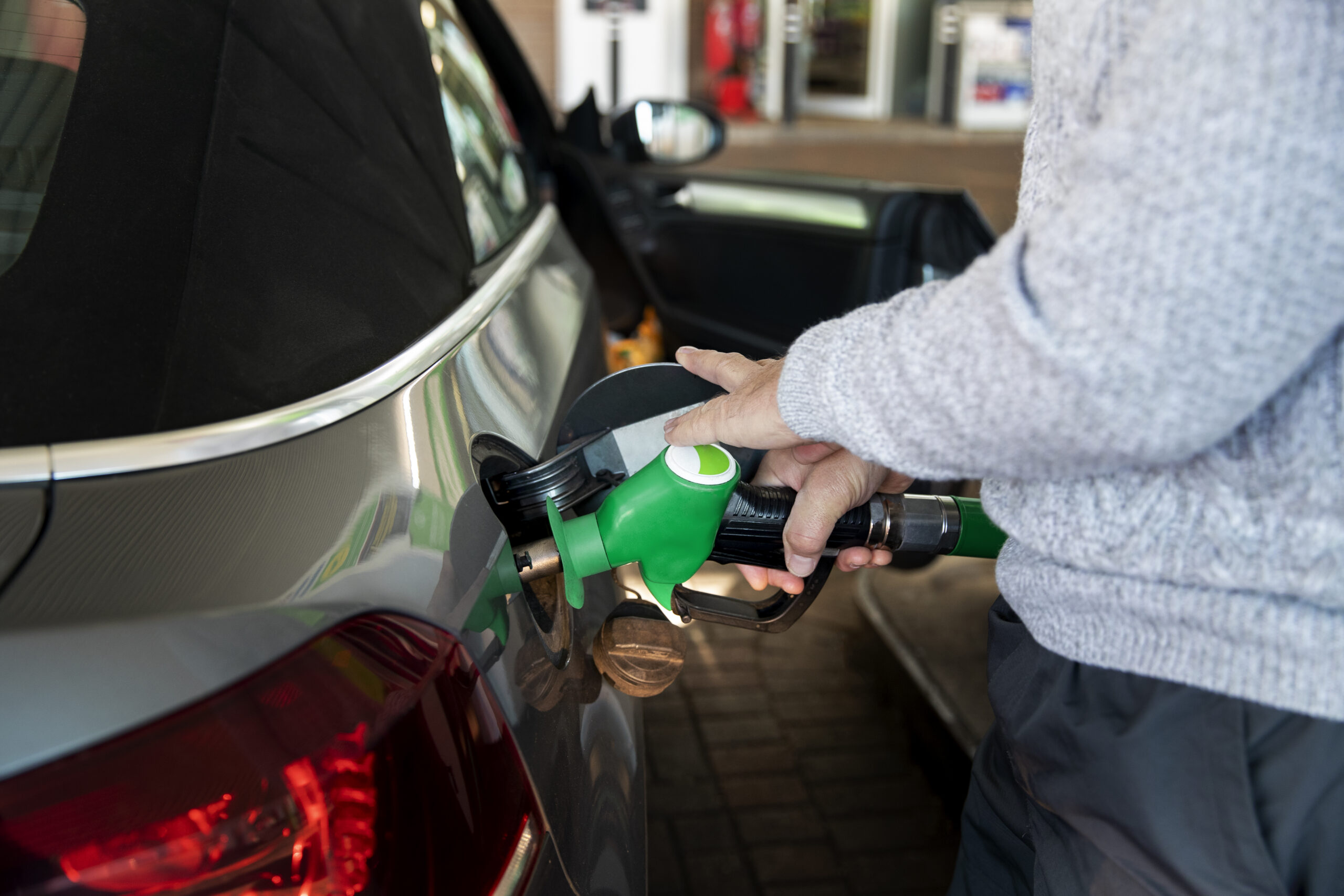
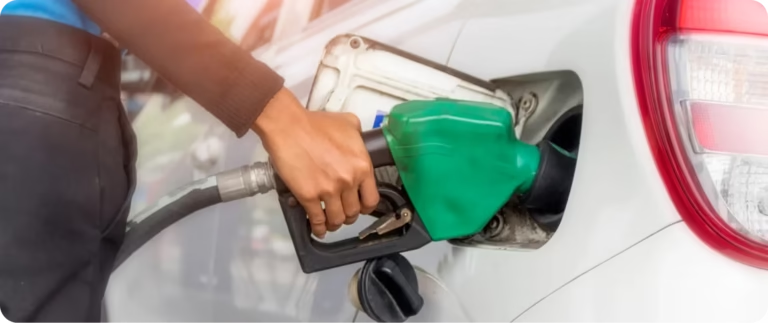
Cross-fueling is one of the most damaging and pricey mistakes one can make as a driver. Modern engines are dependent on exact fuel chemistry and mechanical tolerances. Even a small amount of the wrong fuel can cause severe damage to the engine and fuel system. Petrol in a diesel car or diesel in a petrol car, what happens, why it damages your car and what to do immediately this guide explains it all.
What Happens When You Put Petrol in a Diesel Car
That is the more dangerous and expensive scenario. Diesel engines are compression ignition engines, they ignite diesel fuel by using high pressure. Diesel fuel also lubricates the high pressure fuel pump and injectors.
Petrol is the opposite, it’s a solvent, no lubricating properties, and ignites at a much lower pressure..
Why Petrol in Diesel Is Harmful
Diesel engines petrol in a diesel engine If petrol gets into a diesel engine it:
- Lubrication is reduced
- Creates metal to metal friction
- Causes the high-pressure pump to overheat
- Creates metal shavings that contaminate the entire fuel system
Once debris circulates, it can destroy:
- Injectors Injector
- Fuel rail
- Fuel pump
- Fuel Filters
- Sensors for pressure
Even a small concentration (5-10%) can cause noticeable performance loss and mechanical wear.
Symptoms of Petrol in a Diesel Engine
You may notice:
- Difficult or no starting
- Loud knocking / rattling sounds
- Engine stalls suddenly
- In the smoke
- Warning lights
If the engine continues to run, damage escalates quickly.
What Happens When You Put Diesel in a Petrol Car
This situation is generally less disastrous, but can also lead to costly repairs. Petrol engines are spark-ignition engines, and the fuel needs to atomise easily so that the spark plugs can ignite it.
But diesel is thicker, oilier and much harder to vaporise.
Why Diesel in Petrol Causes Problems
Diesel interferes with combustion by:
- Spark plugs getting flooded
- Blocked Injectors
- resulting in incomplete combustion
- Miss fires and heavy smoke
If there’s a lot of diesel in the system, the car often won’t start.
Symptoms of Diesel in a Petrol Engine
Drivers may see:
- Idling, rough
- Misfires
- Exhaust smoke black
- Loss of power
- Difficult start
Not as bad as petrol in diesel but still needs to be drained and cleaned.
Immediate Actions When You Put the Wrong Fuel In
1. Do not start the car
Circulation begins contaminated fuel and repair costs multiply.
2. If you already started
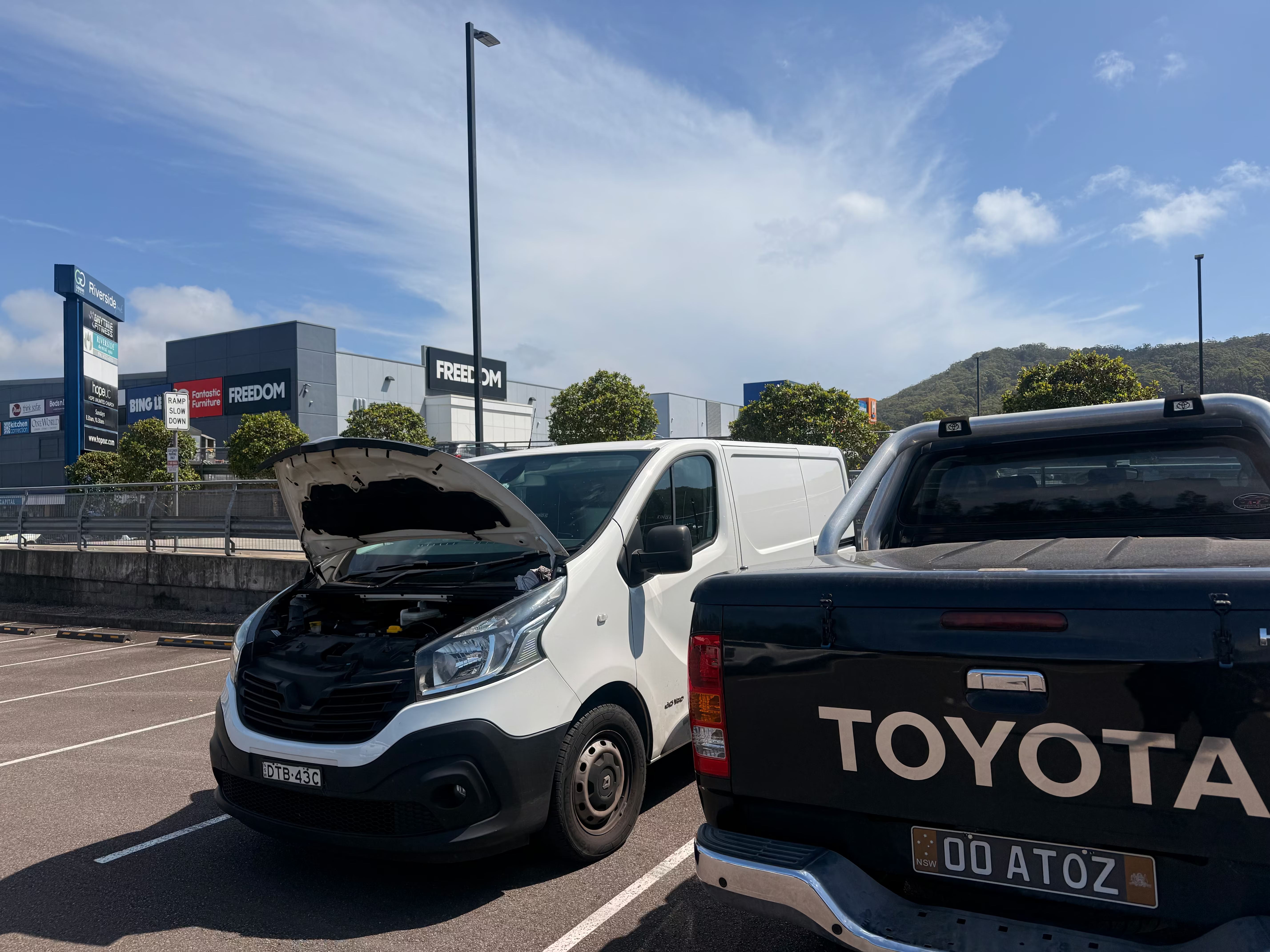
Stop immediately, turn off the engine and call a fuel drain specialist.
3. Have the tank professionally drained
DIY syphoning doesn’t work and isn’t safe because modern tanks are built with anti-siphon designs.
Why Modern Engines Are More Sensitive
Fuel-injection technology has made engines more efficient, but also more vulnerable. Modern engines have:
- High pressure pumps (30,000+ psi in diesel systems)
- Microscopic tolerances of precision injectors
- Electronic sensors based on clean fuel flow
Even slight contaminations may upset this balance.
Conclusion
Whether you have put petrol in a diesel car or diesel in a petrol car, the most important thing is how quickly you act. Do not start or restart the engine, have the fuel removed by a professional and have the fuel system inspected before you drive the vehicle again. Wrong Fuel Help offers 24/7 mobile fuel recovery across Newcastle, Maitland, Lake Macquarie, the Hunter Region and surrounding areas, getting drivers back on the road and minimising damage.e, Maitland, Lake Macquarie, the Hunter Region and surrounding areas, helping drivers minimise damage and return safely to the road.
FAQ’s