Recognising and Addressing Wrong Fuel in Cars: A Step-by-Step Guide

One of the most common and stressful mistakes drivers make is misfuelling. So whether you put diesel into a petrol car or petrol into a diesel car, the main thing is to know what to do next. Quick action can help prevent serious engine damage, lower repair costs and get you safely back on the road.
This guide will let you know the exact steps to take, symptoms to look out for, what happens when you put diesel in a petrol car and when to call in the professionals. It is written to help you stay calm and confident in a wrong-fuel emergency.
Common Wrong-Fuel Mistakes
Wrong-fuel incidents happen more often than most drivers realise. The most common errors include:
1. Petrol in a Diesel Car
This is the most common fuelling error. Petrol spoils the lubricating property of diesel. Hence the fuel pumps and injectors get damaged due to the friction.
2. Diesel in a Petrol Car
Less often. Still bad though. Petrol engine diesel is thicker and doesn’t ignite properly causing misfires, smoke and starting problems.
3. AdBlue in a Diesel Tank
AdBlue contamination is not a ‘fuel’ and can cause serious damage to the fuel system in minutes.
Whatever mistake you make, the right steps can save you from expensive repairs.
What Happens When You Put Diesel in a Petrol Car?
If diesel enters a petrol vehicle, the engine may:
- Struggle to start or fail completely
- Produce excessive smoke
- Run unevenly or stall
- Trigger dashboard warning lights
Petrol engines are ignited by a spark and the heavier diesel can upset the combustion process resulting in misfires and poor performance.
This mistake is generally less damaging than petrol in diesel if caught early but still requires professional draining and flushing.
Step-by-Step Guide: What to Do if You Put the Wrong Fuel in Your Car
1. Do NOT Start the Engine
This is the most important rule. The wrong fuel is pumped through the lines and injectors at the start of the engine . The repair costs are extremely high.
2. Keep the Ignition OFF
Some modern cars will even turn on the fuel pumps when you turn the ignition on. Leave the key out entirely.
3. Move the Car to a Safe Location
If you are still at the pump, put the car in neutral and get someone to push it to safety. It’s not a re-boot.
4. Inform the Fuel Station Staff
Tell them you’ve misfuelled so they can advise on safety precautions and stop anyone trying to start the engine.
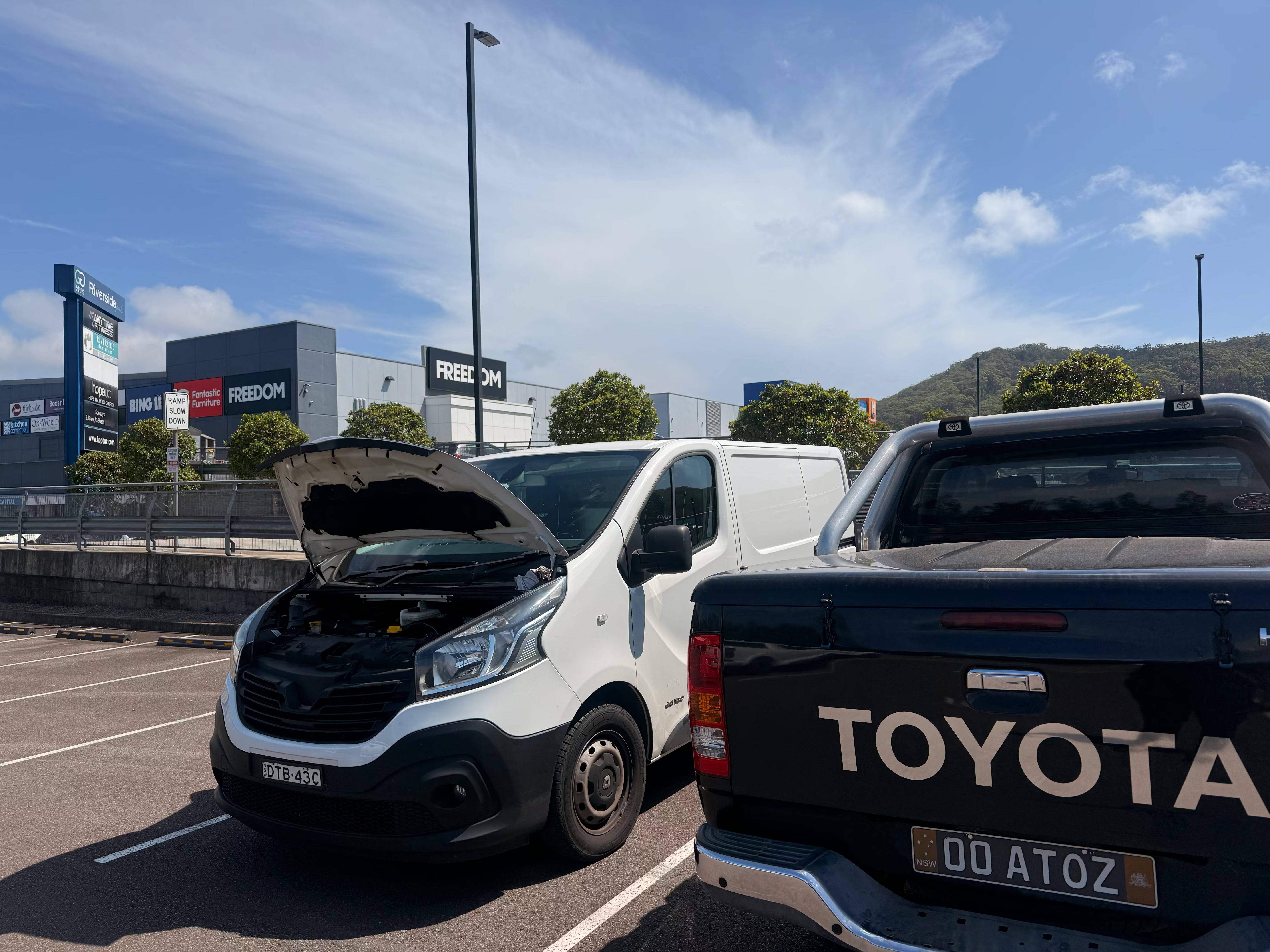
5. Call a Wrong-Fuel Assistance Specialist
For fast, safe recovery, contact a mobile technician who provides help for wrong fuel in car situations. A specialist will:
- Drain the tank
- Remove contaminated fuel
- Flush the system
- Replace filters when needed
- Reset dashboard warnings
This is faster and more cost-effective than towing the car to a dealer.
6. Avoid DIY Repairs
Common mistakes include:
- Trying to siphon fuel manually
- Adding “more fuel” to dilute the contamination
- Using additives to fix the issue
These can worsen damage or create safety hazards.
7. Wait for a Full System Flush
A proper wrong-fuel recovery involves:
- Tank drain
- Fuel-line flush
- Pump clean
- Filter inspection or replacement
- Restart and test
Once complete, the mechanic will confirm if the vehicle is safe to drive.
Safety Tips to Prevent Wrong Fuel Mistakes
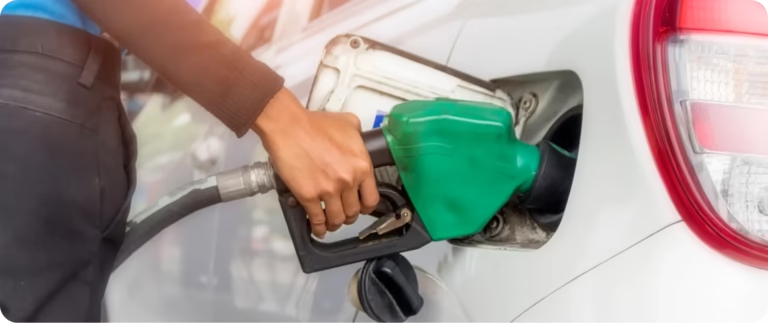
- Double-check pump colours and labels
- Keep your phone away during refuelling
- If using a hire or new car, confirm fuel type before driving
- Use fuel-cap reminders or stickers
- Avoid refuelling when tired or distracted
A moment of attention can prevent an expensive mistake.
When to Seek Professional Help
You should call a wrong-fuel specialist immediately if you notice:
- Engine misfiring
- Unusual smoke
- Strong fuel smell
- Dashboard warnings
- Difficulty starting
Professional diesel fuel help or petrol-diesel recovery services ensure the problem is fixed safely and efficiently.
Conclusion
It can be stressful to put the wrong fuel in your car, but it doesn’t have to cause serious damage. If you know what to do when you put diesel in a petrol car or petrol in a diesel car, and take the right steps, repair costs will be slashed dramatically. Best not to crank the engine and get the pros in to recover the fuel right away. If you need help right away, Wrong Fuel Help is here to help you, with 24/7 mobile fuel recovery to get drivers back on the road quickly and with minimum disruption.
With the right knowledge and a little quick action, you will be back on the road safely with little trouble.
FAQ’s