What to Do If You Put the Wrong Fuel in a Hire Car or Fleet Vehicle
The number one rule for any misfuelling incident is the same as putting the wrong fuel in a hire car or fleet vehicle: switch the ignition off immediately. Other issues include who to contact first, what your liability is under the rental or fleet agreement and how to properly document the incident before the vehicle leaves your hands.
The First Rule Is the Same Regardless of Who Owns the Vehicle
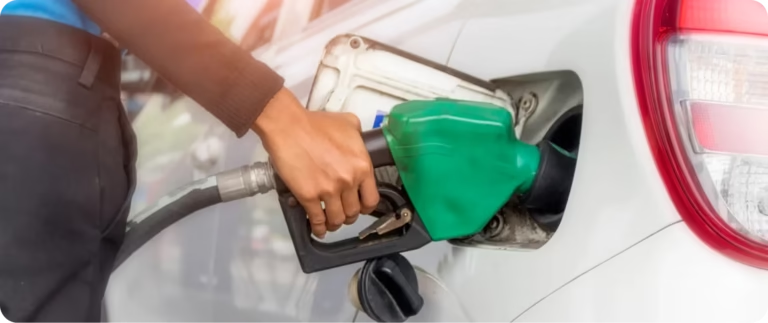
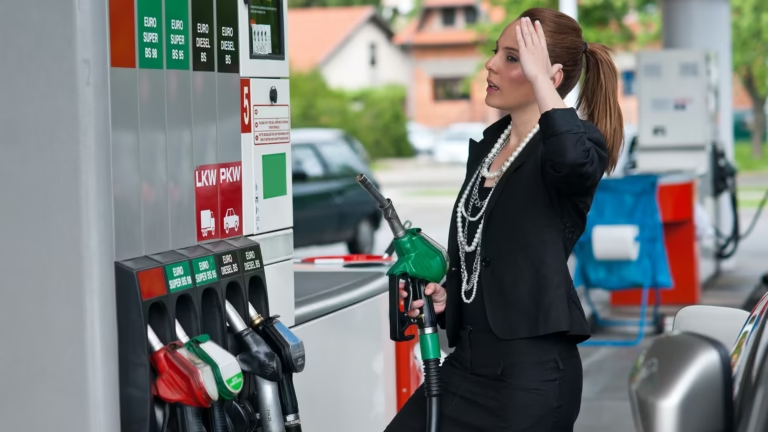
The first thing to do in any other misfuelling situation is the same: act quickly when you realise the wrong fuel has gone into a hire car or fleet vehicle. Turn off the ignition. Do not turn the key at all (not even to move the steering lock). If safe to do so push the car away from the pump and apply the handbrake. Switch on your hazard lights.
Even though you own the car, the fuel is still doing what it does to the engine. As soon as you turn the ignition on , petrol begins to circulate in a diesel system. Common rail diesel injection systems operate at high pressure . The diesel itself is the lubricant for the pump and injectors . Once the petrol strips that lubrication and the engine is running the damage builds quickly. Our step-by-step guide covers the entire process on the immediate steps to take after any misfuelling incident.
One more point specific to hire and fleet vehicles: don’t try to move the car under its own power to get it off the forecourt faster. It’s a natural impulse when it is somebody else’s car and there is pressure to get the situation sorted. Driving the car under power with the wrong fuel in it will make the damage worse.
Who to Call First: Fuel Drain Specialist or the Rental Company
First call a fuel drain specialist. Second, contact the hire company or fleet manager.
This order serves a practical purpose. Hire companies and fleet managers typically respond to reports of a misfuelling by arranging for a tow truck. The tow truck will take the vehicle to an authorised repairer, which adds time, adds cost and takes away your ability to demonstrate you acted promptly and responsibly. Mobile fuel drain at the forecourt, done before the vehicle is towed away, provides a service report as documented proof that you took steps to minimise the damage as soon as you realised the mistake. Many drivers are surprised to learn how mobile fuel recovery is done at the roadside.
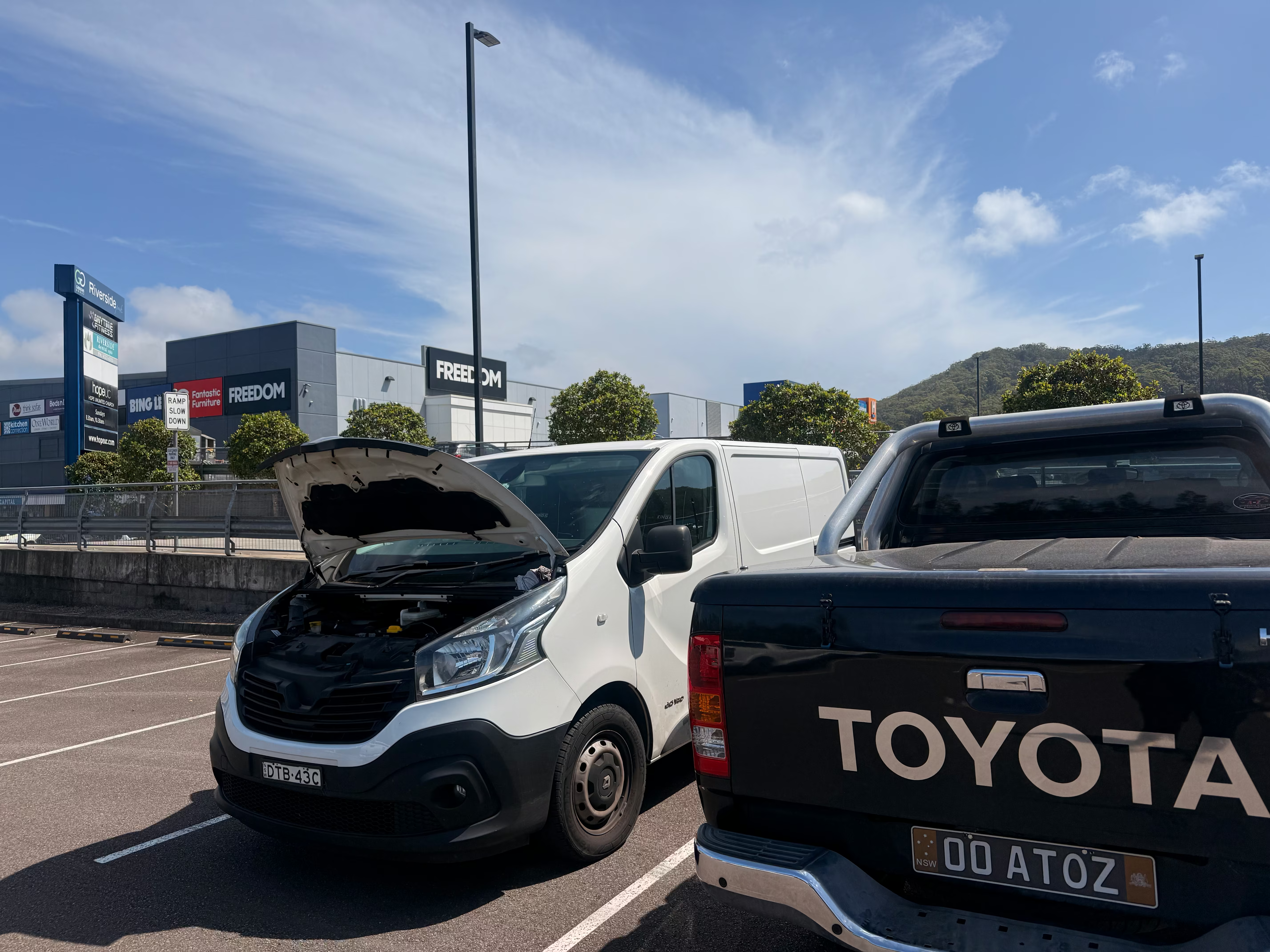
A mobile drain service can do the extraction and flush at the roadside, reaching most forecourts metropolitan and regional areas within a reasonable time. If you can’t get to a workshop, we explain how a mobile drain works in our roadside removal guide.
When the drain is finished, and you have a service report, contact the hire company or fleet manager with the documentation. That approach is more likely to lead to a simple resolution than calling the company first and explaining what happened and waiting for their process to happen while the wrong fuel remains in the tank.
Your Liability Under a Hire Car Rental Agreement
In Australia, the standard rental agreement treats misfuelling as driver negligence. It is treated the same as damage caused by driver error, such as driver-caused collisions and damage from driving on unsuitable terrain. Unless you have specific coverage in effect, you are responsible for the cost of repair.
Most rental packages include the standard Collision Damage Waiver (CDW) or Loss Damage Waiver (LDW) which covers collision damage and theft. Mechanical damage caused by wrong fuel is not covered. That exclusion is usually spelt out in the agreement terms, although most drivers don’t read the rental agreement carefully enough to catch it until there is a problem.
The practical implication is if the hire company arranges the repair the cost will be debited to the card used at the time of rental. It might have been a credit card, which leads us to a similar point covered in the FAQ below.
Will You Always Have to Pay the Full Repair Cost?
Not exactly. The ultimate effect is determined by the rental contract, any additional protection products purchased, your travel insurance and if the car has actually experienced mechanical damage. If the wrong fuel is spotted early and professionally removed before the engine is started the total cost is often much less than many drivers expect.
How Collision Damage Waivers Treat Misfuelling in Australia
Standard CDW and LDW products offered by the major Australian rental companies (Hertz, Avis, Budget, Europcar, Thrifty and similar operators) exclude misfuelling from their standard damage waiver cover. This is not just Australia. That’s how it is around the world.
Some rental companies sell a higher tier product, variously called Super CDW, Full Protection, Premium Cover or Total Protection. Some of these products will also include fuel errors in their scope of cover but it depends on the company and the level of product. The terms are in the rental agreement you signed . Most rental companies will email you one if you ask them, if you do not have one.
Before you assume you are completely liable, it is worth checking two things. First, the specific terms of the damage waiver you bought. Second, the travel insurance or credit card insurance that accompanies the trip or card used to book the rental. A handful of premium cards offer hire car cover that surpasses the standard CDW and covers a wider range of damage caused by the driver. Whether misfuelling falls within that scope depends on the specific card and policy.
Fleet Vehicle Misfuelling: Driver Liability and Company Policy
Fleet vehicle misfuelling has an alternative administrative route to a hire car incident, but the immediate physical priorities are the same. Do not turn the engine over. This fuel must be removed quickly.
Most company fleet policies make the driver personally liable for misfuelling. The logic is the same as the position of the rental company: it is an error of the driver, not a mechanical fault. Some fleet management programs include roadside assistance that covers misfuelling as part of a wider breakdown service. If that will be the case will depend on the specific fleet program. Set up the drain. Check fleet management documentation or call the fleet manager.
Documentation for fleet incidents is typically more formal than for a rental car. In addition to the service report from the drain technician your employer or fleet manager may ask for a written incident report. Please note the time of the incident, the location, the type of fuel added, the approximate quantity and whether the engine was started. Get the pump receipt if possible. That record will cover you in case there is any subsequent question about the timeliness of the fuel removal and the action you took to limit the loss to the company.
What to Document Before the Vehicle Leaves Your Hands
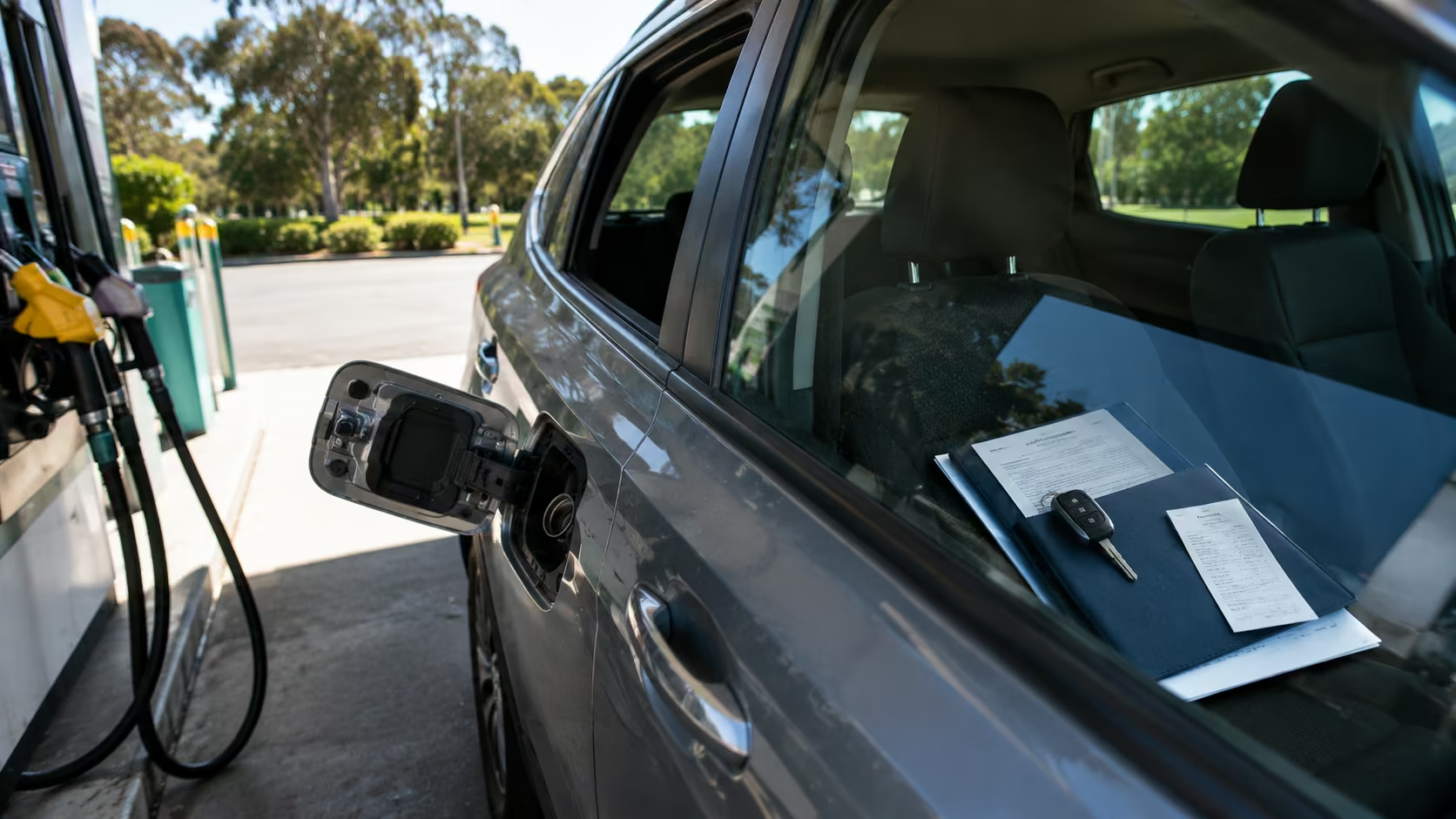
If the vehicle is a hire car or a fleet vehicle, document everything before it moves.
- Take a picture of the pump nozzle and the fuel type label on the pump used
- Snap a picture of your fuel receipt showing the fuel type, quantity, time and place
- Record if the ignition was ever switched on after the wrong fuel had been added
- Please note the approximate mileage on the odometer at the time of the incident.
- Ask the drain technician for a written service report when the drain is finished
- From now on retain a copy of any correspondence with the hire company or fleet manager
The purpose of this documentation is twofold. That indicates you took the incident seriously and reacted quickly, which is relevant to any determination of liability. It also gives you proof if you need to challenge a charge that is more than the actual cost of the repair. See our full cost and procedure guide for a detailed explanation of the drain and flush process and how long it takes.
Key Takeaways
- Right away, ignition off, no matter whose car it is
- Call a drain specialist first then the hire company or fleet manager.
- mis-fuelling is not covered by standard CDW Read the fine print of what you bought.
- Fleet Vehicles: Document everything & report quickly with service proof in hand
- A professional service report protects you if the repair cost becomes a matter of dispute later
Conclusion
Getting the wrong fuel in a hire car or fleet vehicle can feel more stressful than putting the wrong fuel in your own vehicle because there are liability and reporting requirements involved. But the key step remains the same, switch off the ignition immediately and call for professional fuel recovery before the contamination spreads. Acting quickly, documenting the incident and keeping copies of all service reports can substantially reduce mechanical risk and any future dispute about responsibility.
If you are in need of urgent roadside assistance, the team at Wrong Fuel Help offer a professional mobile fuel recovery service to help reduce damage and get you back on the road safely.
Frequently Asked Questions
Does my credit card’s hire car insurance cover misfuelling?
It depends on the card and policy. Some premium credit cards include hire car cover that may extend to fuel-related damage, while others only cover collision damage. Check your Product Disclosure Statement (PDS) or contact the card issuer directly for confirmation.
Can the hire company charge me more than the actual repair cost?
Potentially. Some rental agreements allow additional charges such as administration fees, towing costs and loss-of-use fees. If a charge seems excessive, request an itemised breakdown and compare it against the rental agreement terms.
What if I put the wrong fuel in a car I borrowed from a friend or family member?
Turn the ignition off immediately and arrange a professional fuel drain. Depending on the insurer and policy, the vehicle owner’s comprehensive insurance may provide cover. Keeping a service report can help support any future claim.
Does it matter whether the hire car was petrol or diesel?
Yes. Petrol in a diesel vehicle is usually more serious because it reduces lubrication to critical fuel system components. The sooner the contaminated fuel is removed, the lower the risk of expensive damage.
Should I tell the hire company before or after the drain is done?
In most cases, arrange the fuel drain first and then notify the hire company with the service report. This helps demonstrate that you acted quickly to minimise damage and provides documented evidence of the recovery.