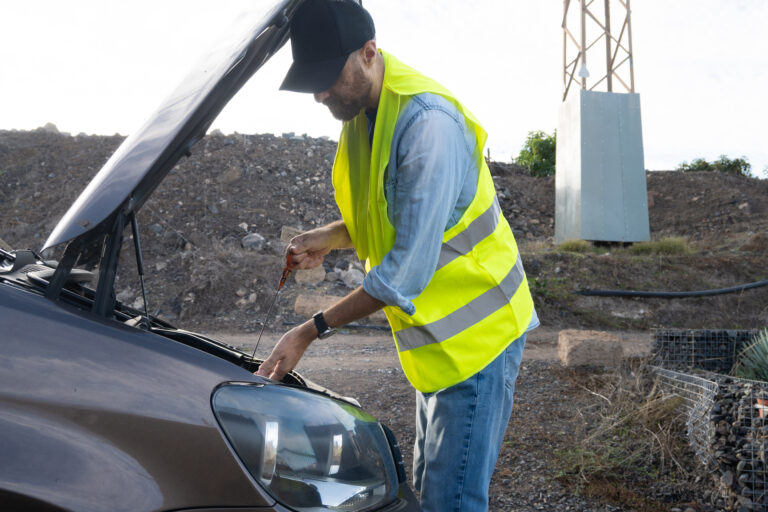
Can Wrong Fuel Be Removed at the Roadside?

Ready to hit the Road?
Based in Newcastle, we proudly serve the surrounding areas, offering 24/7 emergency fuel drain and wrong fuel help for all your wrong fuel emergencies. Our mobile team is ready to come to your location and provide immediate help.
This is the sort of question you want answered before you figure out what you do next, so short answer first, yes in most cases bad fuel can be removed at the roadside, without a tow truck and without the car ever leaving its spot where the mistake was made.
If you were thinking of a car up on a hoist in some garage, that probably sounds too good to be true. But fuel contamination is one of the few mechanical problems that can be actually fixed on the spot because problem is not with engine itself. It’s in the tank and in the lines. That’s where a mobile technician can get to it with the proper equipment.
This is the real process, this is where the boundaries are and where people are usually surprised after they’ve experienced it.
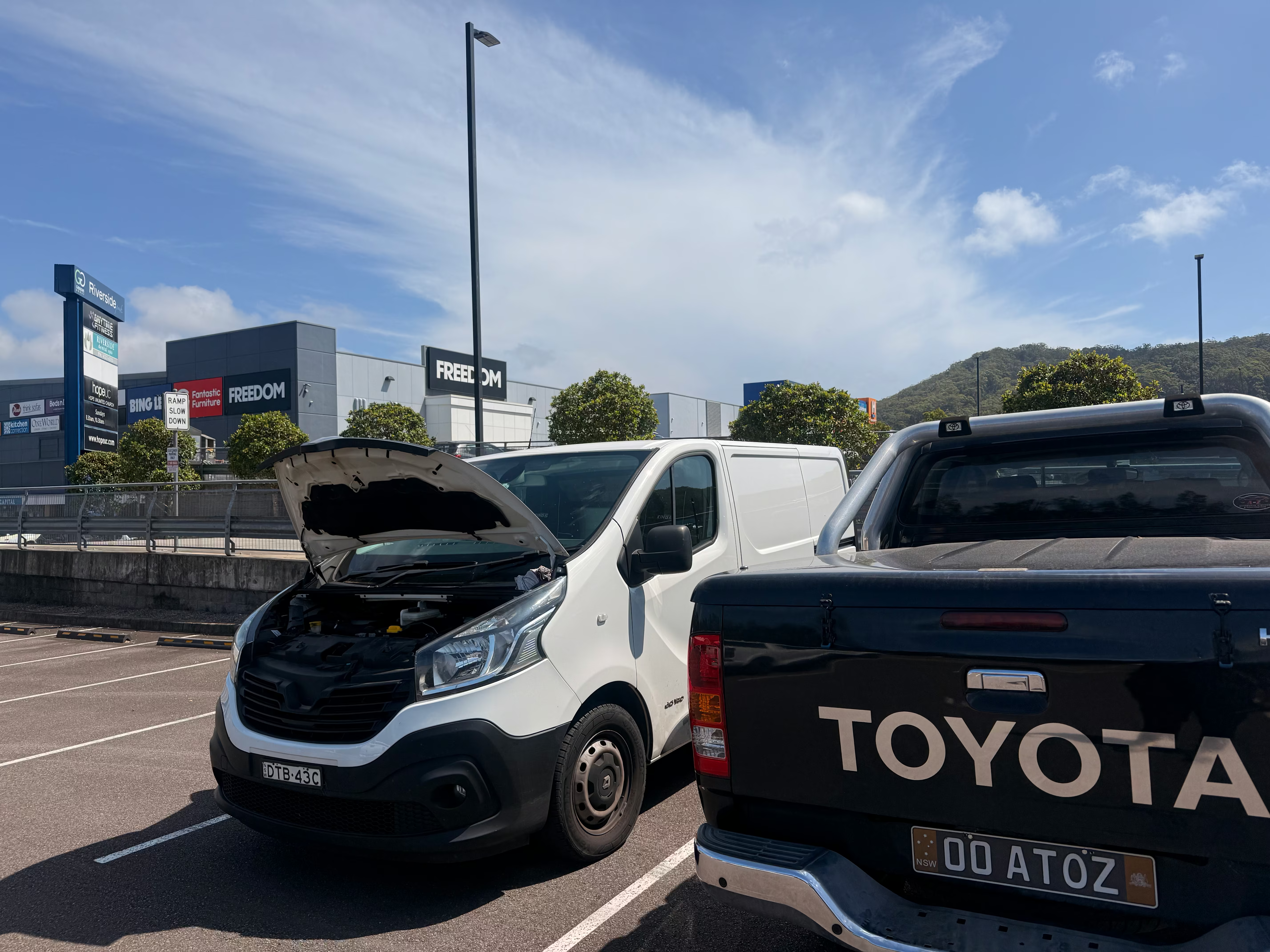
Most of the situations drivers find themselves in around Newcastle are to do with the wrong fuel being removed at the roadside, be that petrol in a diesel car, diesel in a petrol car or AdBlue ending up in the fuel tank rather than the AdBlue reservoir. Wherever the car is, a mobile technician will turn up with purpose-built extraction equipment and drain the contaminated fuel, flush the lines and fill it with the right fuel.
The main difference is in timing. If you never get the engine started, it is usually a quick job and the results are all but guaranteed. If the engine has been running for a while, it is often still possible to be recovered at the roadside, but it may take longer and sometimes a vehicle will require further attention afterwards if parts such as injectors have already been damaged.
What roadside fuel removal actually involves
The process itself is quite mechanical, in the literal sense. A technician attaches extraction equipment to the fuel tank, often through the filler neck or an access point, and removes the contaminated fuel by pumping it into a sealed container. To do this, you don’t have to take the car apart or drop the tank.
When the tank is empty the fuel lines and filters are flushed out to remove any contaminated fuel that has already advanced further into the system. This step is often quick if the wrong fuel was added recently and the engine never ran, as the fuel hasn’t gone further than the tank itself.
Once the flush has been completed the tank is topped up with the correct fuel and the engine is started under supervision to ensure all is well. The specialist team that runs the service normally carries enough petrol and diesel on board to do the refill there and then, with no extra trip to a service station afterwards.
When roadside removal isn’t possible
Sometimes the technician may recommend taking the car to a workshop instead of doing the job on site. For the most part, when it comes to removal, the issue is access or damage.
If the vehicle has suffered mechanical damage as a result of running on the wrong fuel for a long period of time such as a damaged fuel pump or injectors, the drain and flush can still be done at the roadside but the car may need further repair work afterwards that does require a workshop. Similarly, if the fuel tank is located somewhere that is unsafe to reach in the vehicle’s current location, such as on a steep embankment or in heavy traffic with no safe space to pull in, the technician may request that the vehicle be moved a short distance first.
These are exceptions, not the norm. Most of the time, and especially if the problem is caught early, there is no reason why the work cannot be done right there where the car is parked.
Why timing changes what can be done
The deciding factor on whether a roadside removal is easy or difficult is one decision: whether the engine was started after the wrong fuel went in.
If the car never started the fuel sits in the tank doing nothing. There is no contamination any further down the line, no fuel that has reached the injectors and nothing has had a chance to do any damage. This is the best case scenario for a roadside job and generally takes less than an hour.
If the engine has run at all, even for a short time, it is very likely that the wrong fuel has been drawn into the lines and possibly the injectors. Most of the time the car can be repaired at the roadside but the mechanic has to flush further into the system, not just the tank, which takes longer. If this is you, it is worth reading in full what to do if the engine has already run, because the next few minutes are more important in that case than in any other.
Is it safe to drain fuel on the side of the road?
That’s a good question to ask. The answer is fully dependent on whether it’s being done right. This is no more dangerous than a fuel delivery when done by a qualified technician using sealed containment equipment. Fuel never hits the ground, no open flame or ignition source.
The fuel that comes out of the tank is not thrown away or wasted. It is collected in sealed containers and taken away to be processed as regulated waste, as required under EPA NSW’s guidance on waste fuel and oil disposal. Anyone just offering to tip contaminated fuel out by the roadside isn’t doing the job properly and it’s worth asking how a provider deals with disposal before you book them in.
And the location, too. A technician will usually want the car somewhere reasonably flat and not in moving traffic, which is usually already the case if you’ve pulled over safely or you are still at the bowser.
What happens to the fuel that gets drained
Once it’s removed from the vehicle, contaminated fuel is treated as hazardous waste, not something that can be reused or resold. It is shipped in compliant sealed containers and delivered to a licensed waste fuel processor. The overall job pricing including disposal is covered in more detail here but as a general rule it’s built into the quoted price for the callout rather than being billed separately after the fact.
Conclusion
For most wrong fuel incidents the fastest and most practical solution is roadside fuel removal, especially if the mistake is found before the engine has been driven. Acting quickly can significantly reduce the risk of expensive fuel system repairs and avoid unnecessary towing. Wrong Fuel Help is a professional 24/7 mobile fuel recovery service that covers Newcastle, Lake Macquarie, Maitland and surrounding regions. We help drivers get safely back on the road with fast onsite assistance.
Frequently Asked Questions
How long does a roadside fuel drain take?
Most straightforward jobs, where the engine hasn’t been started, are completed in under an hour from the technician arriving. Jobs involving a full system flush after the engine has run can take longer, depending on the vehicle and how far the fuel has travelled through the lines.
Do I need to be at a service station for this, or can it be done at home?
It can be done almost anywhere the car is sitting, including a driveway, a car park or the side of the road, provided the location is safe to work in. A service station forecourt isn’t a requirement.
Will the car definitely start again after the fuel is drained?
In the vast majority of cases where the engine wasn’t started while the wrong fuel was in the tank, yes. Once the contaminated fuel is fully removed and the system is refilled with the correct fuel, the car starts and runs normally. If the engine had already been running, a more thorough flush of the lines and injectors may be needed first.
Is roadside fuel removal cheaper than towing to a workshop?
In most cases, yes, because there’s no towing fee and no separate workshop labour charge on top of the recovery cost. The exact price depends on the vehicle and how much fuel needs to be removed, but a single on-site callout usually works out less expensive than a tow plus a workshop booking.