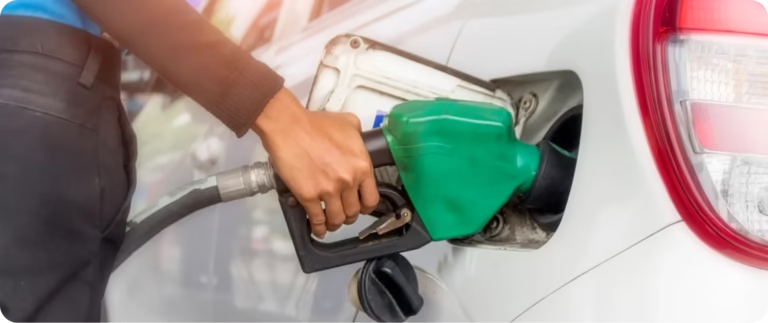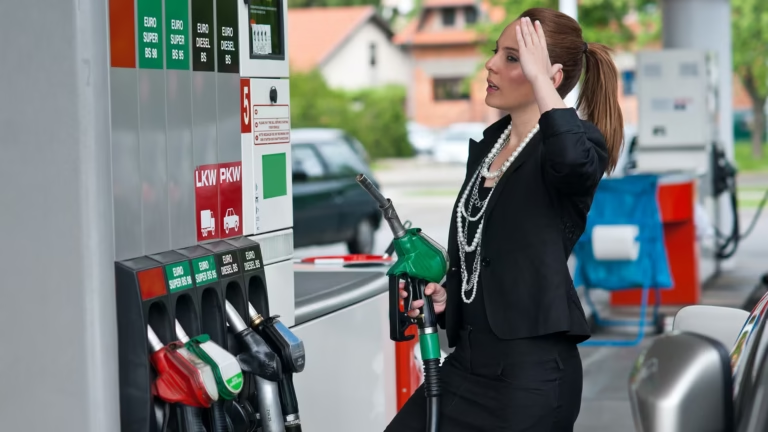
How Mobile Fuel Drainers Empty Your Fuel Tank
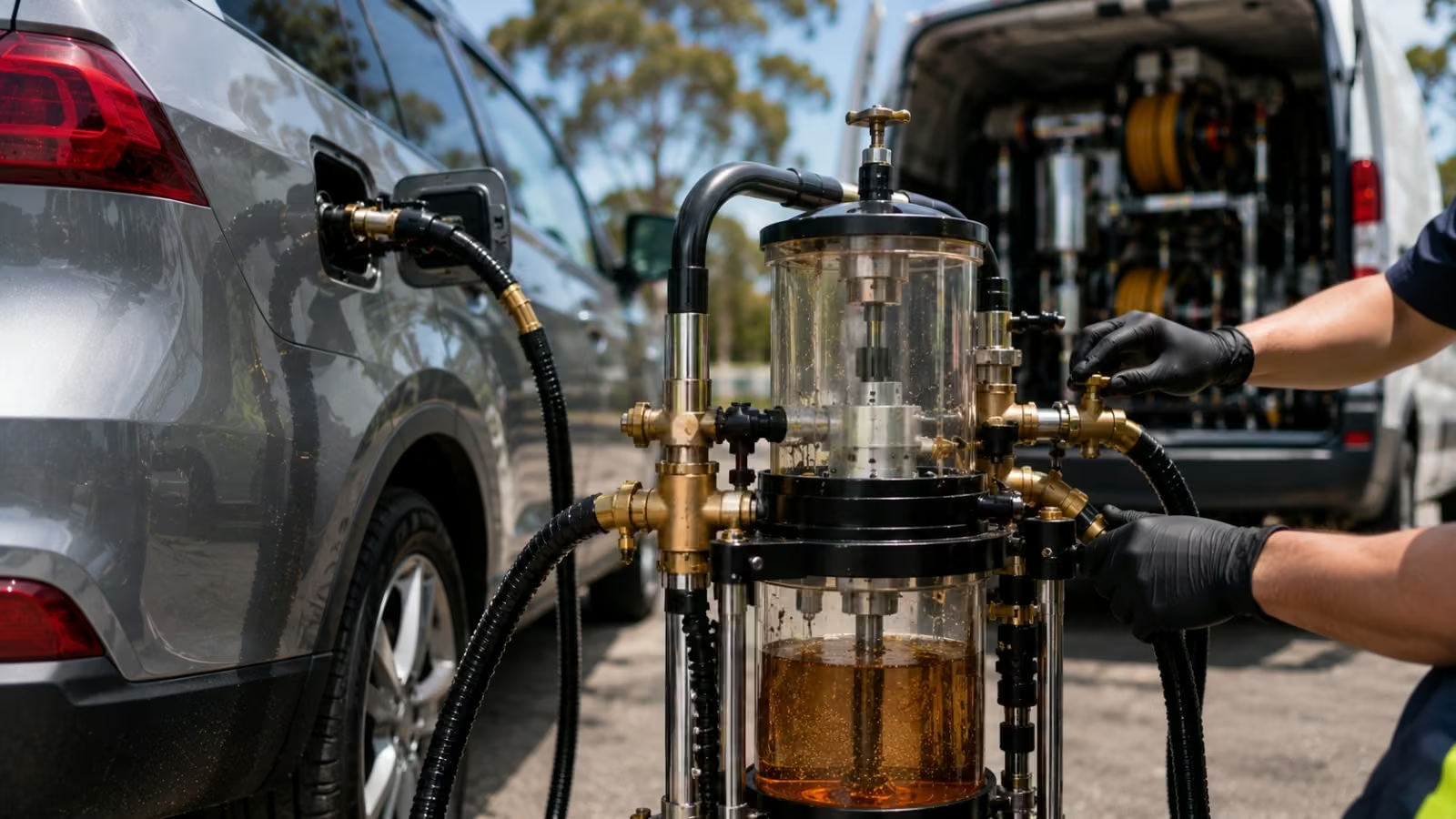
A mobile fuel drainer employs a sealed pump unit to empty the contents of your tank, drawing the contaminated fuel out via the fuel line or filler neck, eliminating the need to remove the tank. The technician then flushes the remaining lines and filter, adds the correct fuel and checks that the engine runs clean.
The Equipment Behind a Mobile Fuel Drain
The main piece of kit is a portable extraction pump, usually fitted in the technician’s van, which connects to the vehicle either via the fuel line or the filler neck, depending on the vehicle’s configuration. This arrangement creates enough suction to draw fuel from the tank without having to remove the tank from underneath the car, which is what makes the whole job possible at the roadside and not just in a workshop with a hoist.
They also have equipment for line flushing and spare filters, because contaminated fuel never stays perfectly inside the tank. The fuel is pushed along the fuel line to the engine as soon as the system is pressurised and for this reason draining the tank alone is rarely the whole job.
Step by Step From Arrival to Engine Restart
The technician first confirms what wrong fuel went in and roughly how much, then connects the extraction pump and empties the tank completely. The next step after the tank is cleared is the lines and filter, which are flushed through rather than just left downstream of the tank. This is the same whether the mistake was made one way or the other as the equipment stays the same, only the urgency changes.
When the lines are clear, the tank is topped off with the correct fuel and the engine is started and run on site for a short time. This final step is important because it confirms that the fix actually worked, rather than just assuming it did. It also is the point where the technician can tell you honestly if anything besides the drain itself needs attention.
“Many people ask me how much a professional fuel drain and flush will cost, and it really depends on the vehicle and how contaminated it is.
Why Choose a Mobile Fuel Drainer Instead of a Workshop?
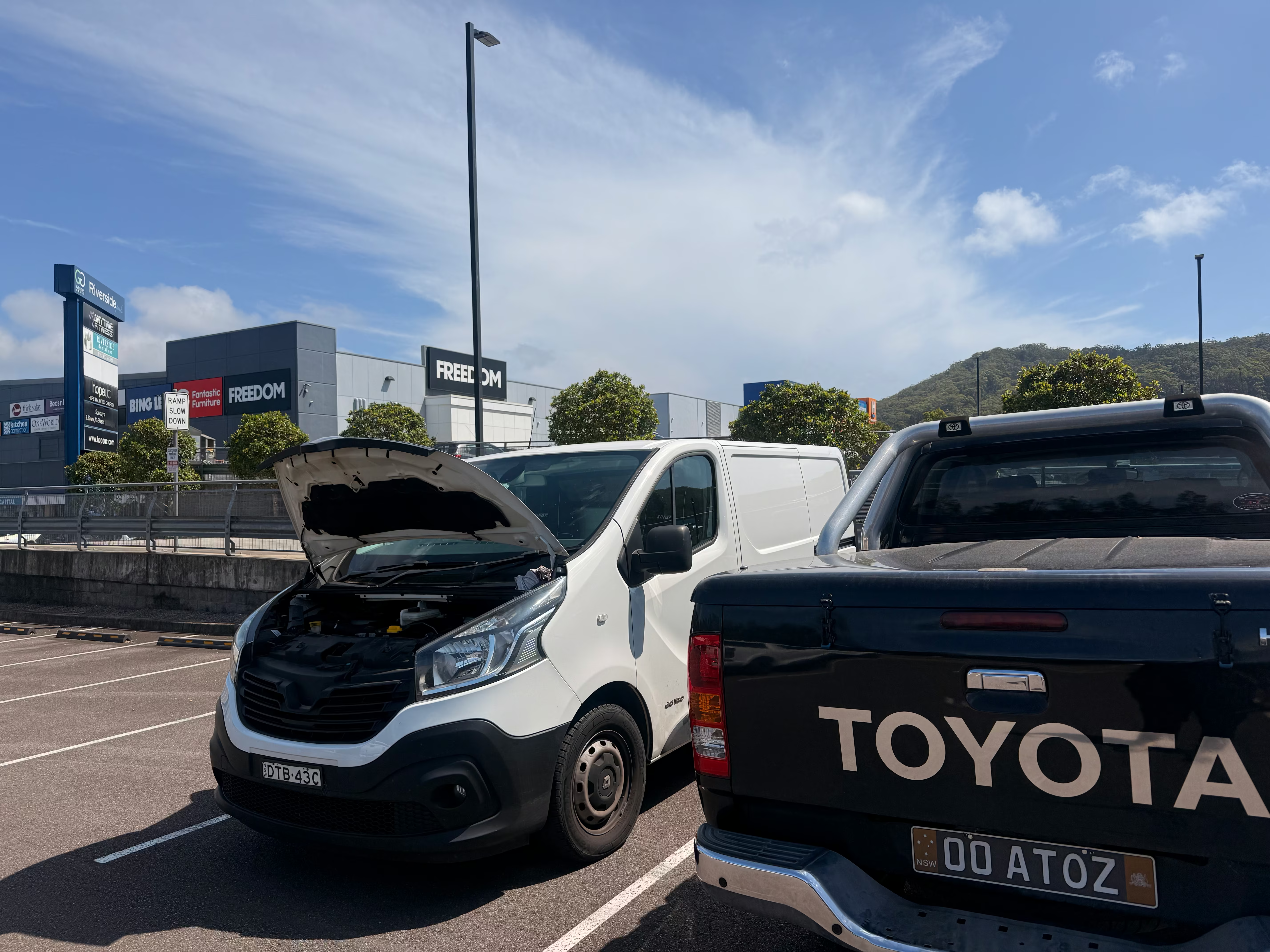
In many instances of wrong fuel, a mobile fuel drainer can accomplish the recovery at your location without the necessity of towing. This often saves time and reduces inconvenience and allows the vehicle to be inspected and restarted on site once the correct fuel has been added. If the vehicle has not been damaged further, roadside recovery is usually the fastest solution.
Why This Process Works Without Removing the Fuel Tank
A fuel tank drop is a shop job that requires a hoist, some time and usually another tech, the kind of step that roadside service was meant to avoid. The main reason why a mobile drain is on hand wherever in the region the car happens to stop rather than only at a fixed workshop location, is that the extraction pump works through existing access points rather than requiring the tank to come out. This means the whole job can happen in a driveway, a car park or wherever the car happened to stop.
Why Acting Quickly Improves Recovery
With the mobile fuel drain technology available today most wrong fuel calls can be safely dealt with at the roadside without the need to remove the fuel tank. The sooner technicians can act on contaminated fuel before it gets into circulation through the engine, the better the chance of completing a simple recovery. Wrong Fuel Help offers mobile fuel drain and flush services, day or night, across Newcastle, Lake Macquarie, Maitland and the surrounding areas with specialist extraction equipment built for modern petrol and diesel vehicles.
FAQ
Does the extraction process damage the fuel tank or lines?
No, the equipment is designed to work through existing fuel system access points without cutting, drilling, or otherwise altering the tank or lines.
Can the same equipment handle AdBlue contamination?
AdBlue requires a more specific flush than a standard petrol or diesel mix up, since it can react with components in the fuel system differently, so technicians use a tailored process for that situation.
How much fuel is typically recovered from the tank during this process?
It depends on how full the tank was when the wrong fuel was added, but the goal is always to recover as close to the full contaminated volume as possible before refilling with the correct fuel.
Can Every Wrong Fuel Incident Be Fixed at the Roadside?
Many wrong fuel incidents can be resolved at the roadside using specialised mobile fuel draining equipment. However, if the vehicle has been driven extensively or sustained additional mechanical damage, further workshop repairs may be required.