Do Wrong Fuel Prevention Devices Really Work
Yes, physical misfuel prevention devices work. They fit inside a diesel filler neck and mechanically block a narrower petrol nozzle from entering, so the mistake becomes impossible rather than unlikely. The trade offs are fitment, cost and slower filling on some high flow pumps.
It is a fair question to be sceptical about, because the internet is full of car gadgets that promise more than they deliver. This category is different, and the reason is that the good ones do not rely on reminding you of anything. They are a piece of metal in the filler neck that will not let the wrong nozzle through, which means they keep working on the morning you are tired, distracted and running late, which is precisely the morning the mistake would otherwise happen. That said, they are not right for everyone and there are trade offs nobody selling them leads with, so here is the balanced version.
How Misfuel Prevention Devices Actually Work
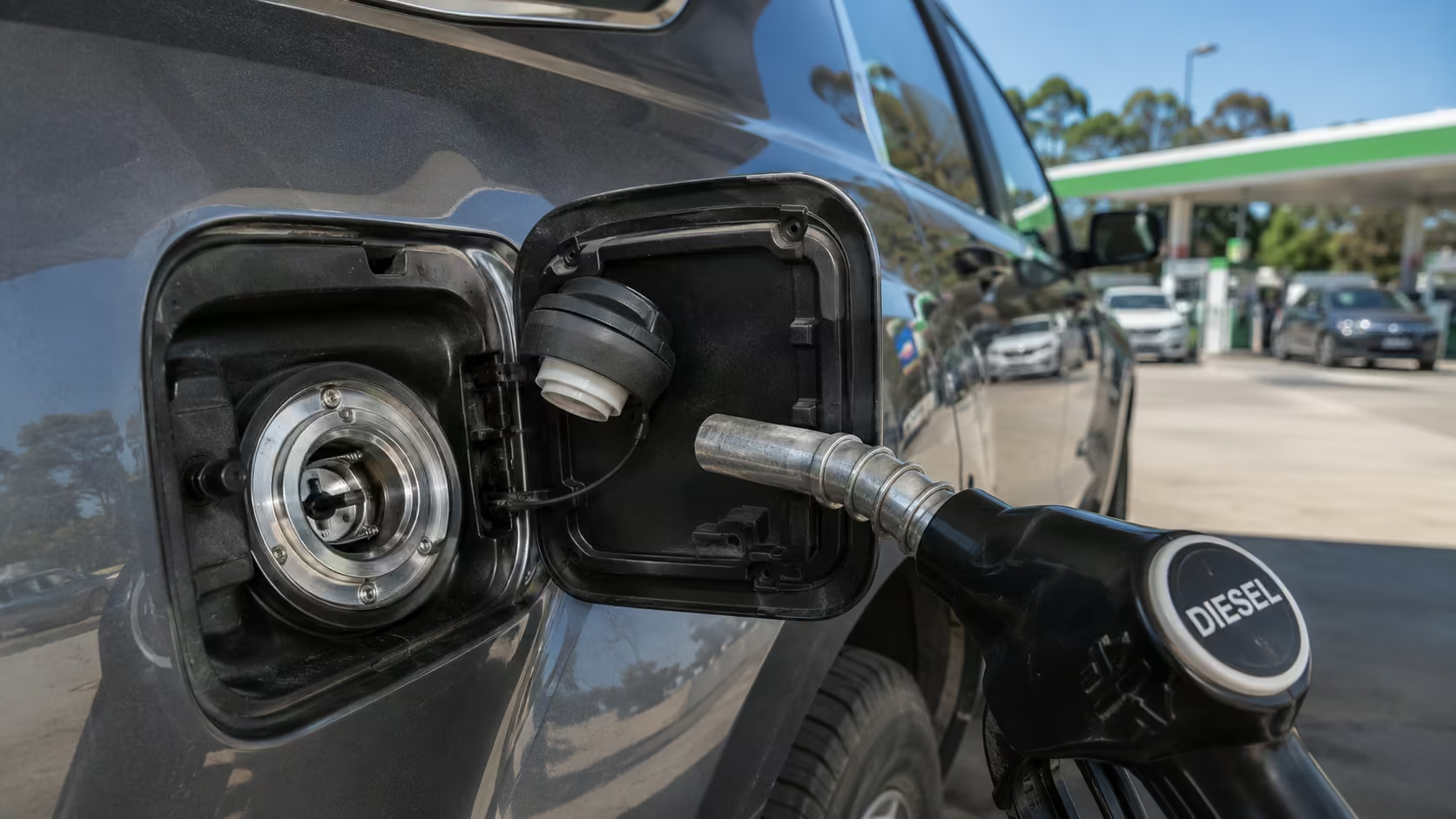
The physical blockers all use the same principle, which builds on something already true at the bowser: diesel nozzles are wider than petrol nozzles. The device fits into the diesel filler neck and sits closed, with a spring loaded barrier across the opening. A correctly sized diesel spout pushes against flanges around the mouth of the device, which releases the barrier and lets the nozzle through. A narrower petrol nozzle does not touch those flanges, so the barrier stays shut and the fuel has nowhere to go. Some designs replace the fuel cap and some thread into the neck itself, and better ones are built with metal at the contact points rather than plastic. There is a second category of product that gives an audible or visual warning instead of blocking anything, and while those are better than nothing, a barrier that physically refuses beats a warning that a distracted person can ignore.
The Downsides of Misfuel Prevention Devices
This is the part worth knowing before you spend the money. The most significant one showed up in an independent Australian product test of one of these devices: it suits small nozzle diesel pumps only, which rules out the high flow bowsers in truck lanes and makes filling noticeably slower. On a car that is a minor irritation. On a touring vehicle carrying a hundred and eighty litres or more, that is a long time standing at a pump, every single fill, forever. There are smaller foibles too. Pump nozzles take a beating and a slightly bent or worn spout may not engage the mechanism properly, and some devices can trip the pump’s automatic cutoff, which means trickling the fuel in rather than filling at full rate. And fitment is genuinely vehicle specific: some models are not covered, and vehicles with capless filler systems may have nothing to mount a device onto.
Does Your Car Already Have an Anti Misfuelling Filler Neck
Before buying anything, check what your vehicle came with. A number of manufacturers have fitted anti misfuelling filler necks from the factory on certain models and model years, which do the same job as an aftermarket device without you paying for one. The way to find out is to ask your dealer against your specific vehicle, or to look into the filler neck and see whether there is already a mechanism sitting in there rather than an open pipe. It is a five minute question that occasionally saves the whole exercise, and it is worth asking before you order a part that may duplicate something already fitted.
Who Should Fit a Diesel Misfuel Prevention Device
These devices earn their money in specific situations rather than universally. Households that run a diesel and a petrol car together are the classic case, because muscle memory built on one vehicle is what betrays people at the other. Anyone who has already had a close call or an actual misfuel is a strong candidate, since the habit that produced it has not gone anywhere. Fleets and work vehicles driven by rotating or casual drivers benefit more than almost anyone, because you cannot train attention into every person who will ever hold that nozzle, and the aftermath of an employee misfuelling a work vehicle is a bigger headache than the hardware. Conversely, if you drive one diesel, fill it yourself at the same servo, and carry a large long range tank, the slower filling may well outweigh a risk you have never come close to realising.
What Misfuel Prevention Devices Cannot Stop
Know the boundary of what you are buying. These devices guard the filler neck against pump nozzles, and that is all they do. Fuel poured in from a jerry can, a drum or a bottle bypasses the mechanism entirely, which matters on farms, in sheds and anywhere fuel gets carried rather than pumped. They do not help with contaminated fuel, water in the tank or a bad batch from a servo, because those arrive through the correct nozzle. And on a vehicle with a separate AdBlue filler, a device on the diesel neck does nothing about the blue cap next door unless it is specified to. A device narrows the odds on one particular mistake very effectively, and it is worth being clear eyed that it is not general insurance.
So the honest verdict is yes, the physical ones work, and for the right driver they are money well spent. The habits still matter, because no device covers the jerry can in the shed or the hire car you will drive next month, and the full sequence if something does go wrong is worth reading once while nothing is going wrong. If the day comes anyway, Wrong Fuel Help comes to the vehicle rather than the other way around, drains and flushes on the spot, and will tell you plainly what you are dealing with instead of assuming the worst. Call 0432 553 905, keep the engine off, and the drain and flush process is set out here if you want to know what happens next.
FAQs
Will fitting a misfuel prevention device void my warranty?
Reputable makers state that fitting their device does not affect the vehicle warranty, but the sensible step is to confirm with your own dealer before fitting, particularly on a new vehicle still under factory cover. Keep the paperwork either way.
Do these devices work on petrol cars?
They are made for diesel vehicles, because that is the direction the mistake usually runs. Petrol cars already have a built in restrictor in the filler neck that keeps the wider diesel nozzle out, which is why diesel in a petrol car is the rarer event.
Does a device stop AdBlue going into the fuel tank?
Some are designed to block the smaller AdBlue nozzle as well as petrol nozzles, so check the specification of the particular device. Bear in mind it only guards against pump nozzles, so AdBlue poured from a bottle still reaches the tank.
Is a locking fuel cap a cheaper alternative?
It solves a different problem. A locking cap stops other people accessing your filler, which helps against tampering and fuel theft, but it does nothing to stop you reaching for the wrong nozzle yourself. The two devices are not substitutes for one another.