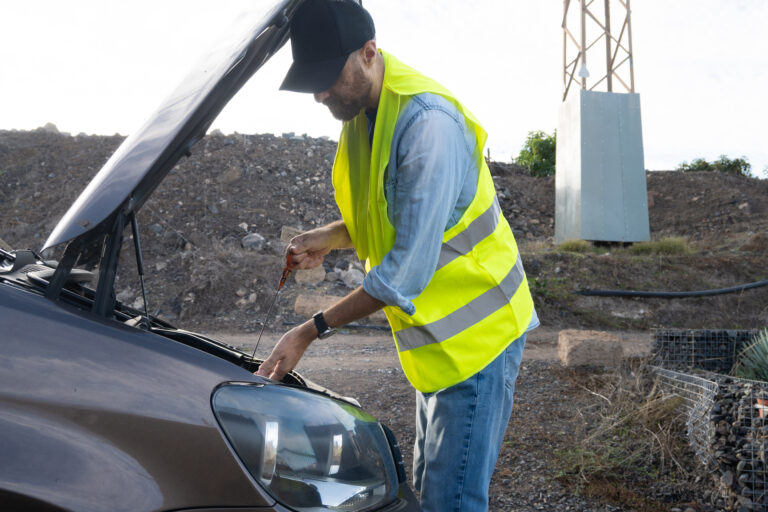
What to Expect When You Put Diesel in a Petrol Car and How to Fix It

Diesel in a petrol car is a more common mistake than many drivers think, especially in busy areas such as Newcastle, Maitland and the Hunter Valley area. This is generally less catastrophic than putting petrol in a diesel car, but if you don’t get it right you can still have major engine problems, breakdown and repairs. If you know the causes and symptoms and how to respond, you can help prevent permanent injury.
What Happens When You Put Diesel in a Petrol Car
Spark ignition is used in petrol engines. That means the fuel has to vaporise easily so the spark plugs can ignite it. Diesel, however, is a thicker, oilier fuel that does not vaporise well. Diesel can go in a petrol engine and the engine can’t burn it properly.
Typical mechanical consequences include:
- Injector and plug clogging
- Incomplete burning
- Smoke too much
- Engine stalling or hard starting
- Blockage of fuel filter
- Power failure.
The vehicle will run very poorly or not start at all in most cases. Even tiny amounts of diesel fuel can cause major disruption to the air-fuel mixture and it is important to act quickly.
How to Identify the Mistake Early
Early recognition of the problem helps to lower the repair cost. Signs you may have put diesel in a petrol car include:
- Engine won’t turn over
- Strong exhaust fumes with a heavy, oily odour
- Hesitation during acceleration or misfire
- Hard to keep the engine going
- Power falls suddenly
- Alarm lights or limp mode activated
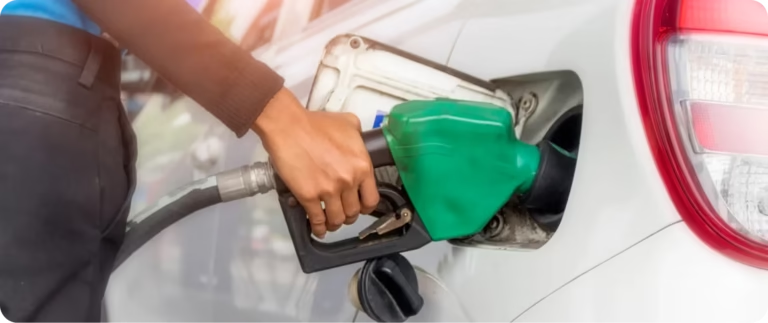
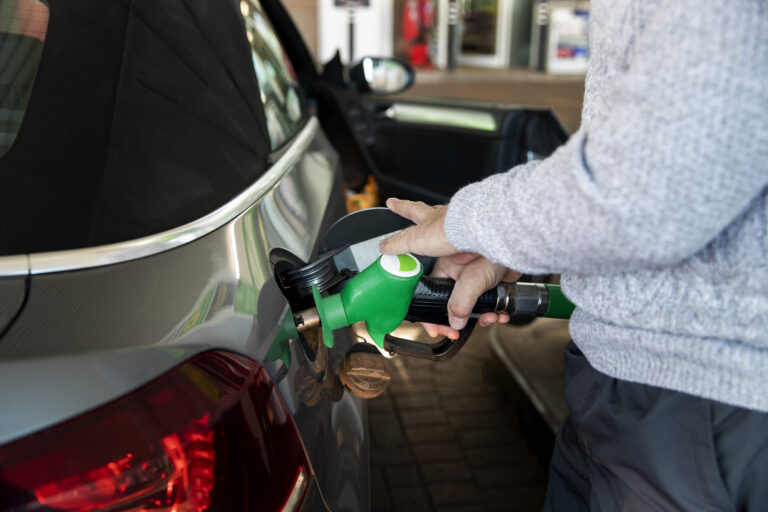
If you are at the pump when you find out about the mistake, the best case scenario is to stop immediately, and avoid any circulation of diesel into the system.
Safety Precautions to Follow
By taking safety precautions, you safeguard your car and the other drivers on the road.
- Don’t start the engine,
- Never leave the ignition on accessory
- If possible, push the vehicle away from the pump.
- If you must tell station staff
- Do not attempt to syphon the fuel yourself
- Do not start car until it has been checked by a professional
Trying to fix the problem yourself can create fire hazards and cause other mechanical problems.
How to Fix a Petrol Car Filled With Diesel
How to solve the problem depends on whether or not the car has been started. Typically a wrong fuel mechanic in Newcastle, Maitland or similar areas will do the following:
1. Fuel Tank Drain
First, special fuel extraction equipment is used to remove all diesel from the tank. Modern tanks have anti syphon systems so you need pro tools.
2. Fuel System Flush
Then when the tank is empty, the technician flushes:
- Fuel lines
- Injecters
- Fuel rail fuel rail
- Fuel-pumps
This will clear out any residue that could clog or damage internal components.
3. Filter Replacement
Diesel tends to saturate the fuel filter, which must be replaced to prevent recontamination.
4. Fresh Fuel Refill
The system is then refilled with fresh petrol and primed for ignition.
5. Diagnostic Testing
The final step is to check the pressures, run diagnostics and make sure everything is working smoothly before giving the vehicle back to the driver.
These steps generally take 45 – 90 minutes, depending on the type of vehicle and level of contamination.
When to Seek Professional Help
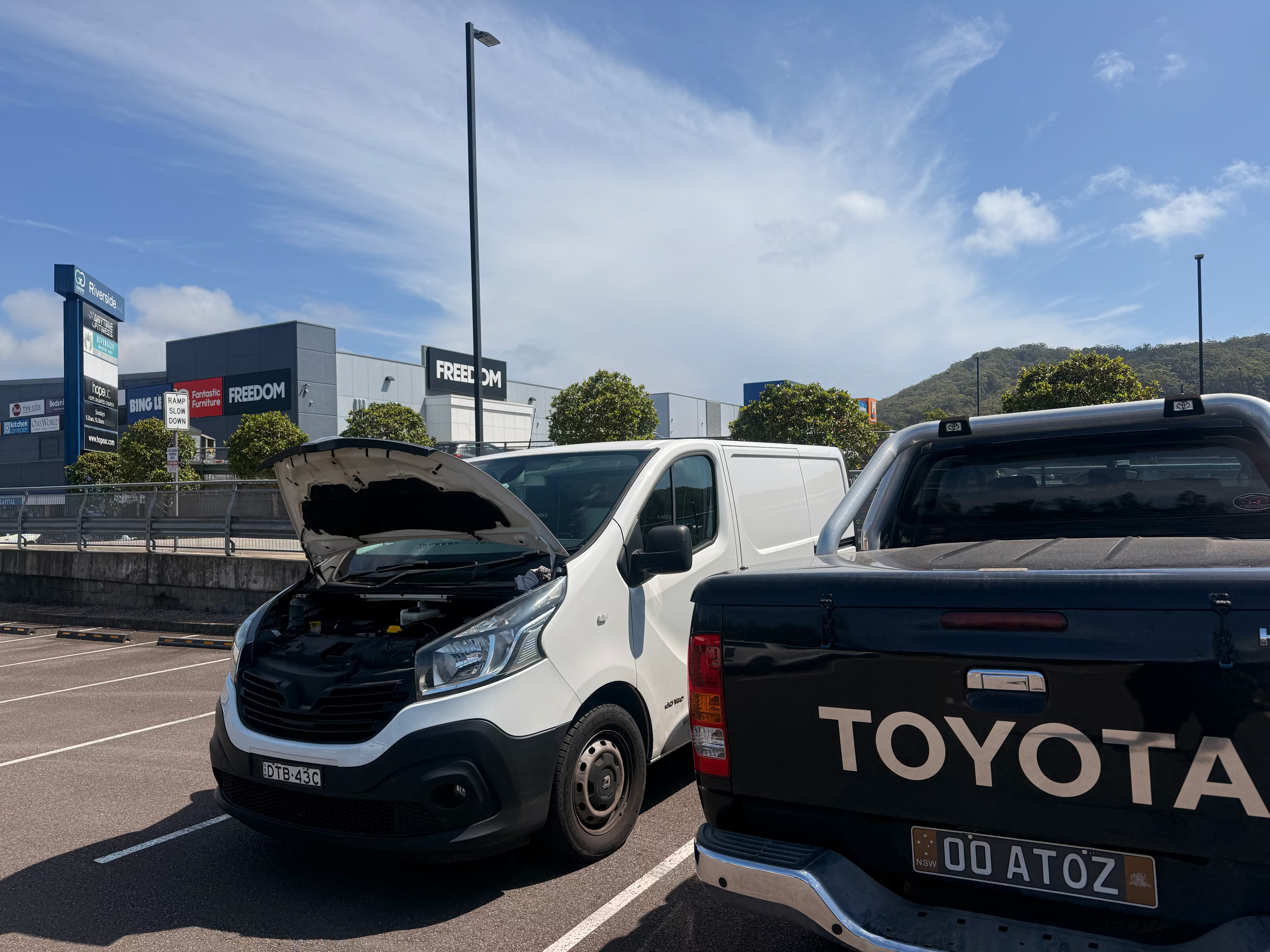
If you started the vehicle or drove it even a short distance professional help is a must. A mobile fuel drain technician can get to your location quickly and prevent any further damage and lower costs. If you are looking for “car fuel help Maitland” or “wrong fuel mechanic Newcastle”, the mobile services are generally available 24/7 for rapid assistance.
The repair was simple when the engine was not started. If it is started, additional cleaning or injector service may be required which adds to the labour time and cost.
Conclusion
While diesel in a petrol car is less harmful than petrol in a diesel vehicle, it should never be ignored. The sooner the engine is shut off and the contaminated fuel is professionally removed, the better the chance of avoiding unnecessary repairs. Wrong Fuel Help provide a professional mobile fuel drain and flush service 24/7 in Newcastle and surrounding areas helping drivers get back on the road safely with quick onsite help.
FAQ’s