Can You Put E10 in Your Car? What Ethanol Fuel Does to Your Engine
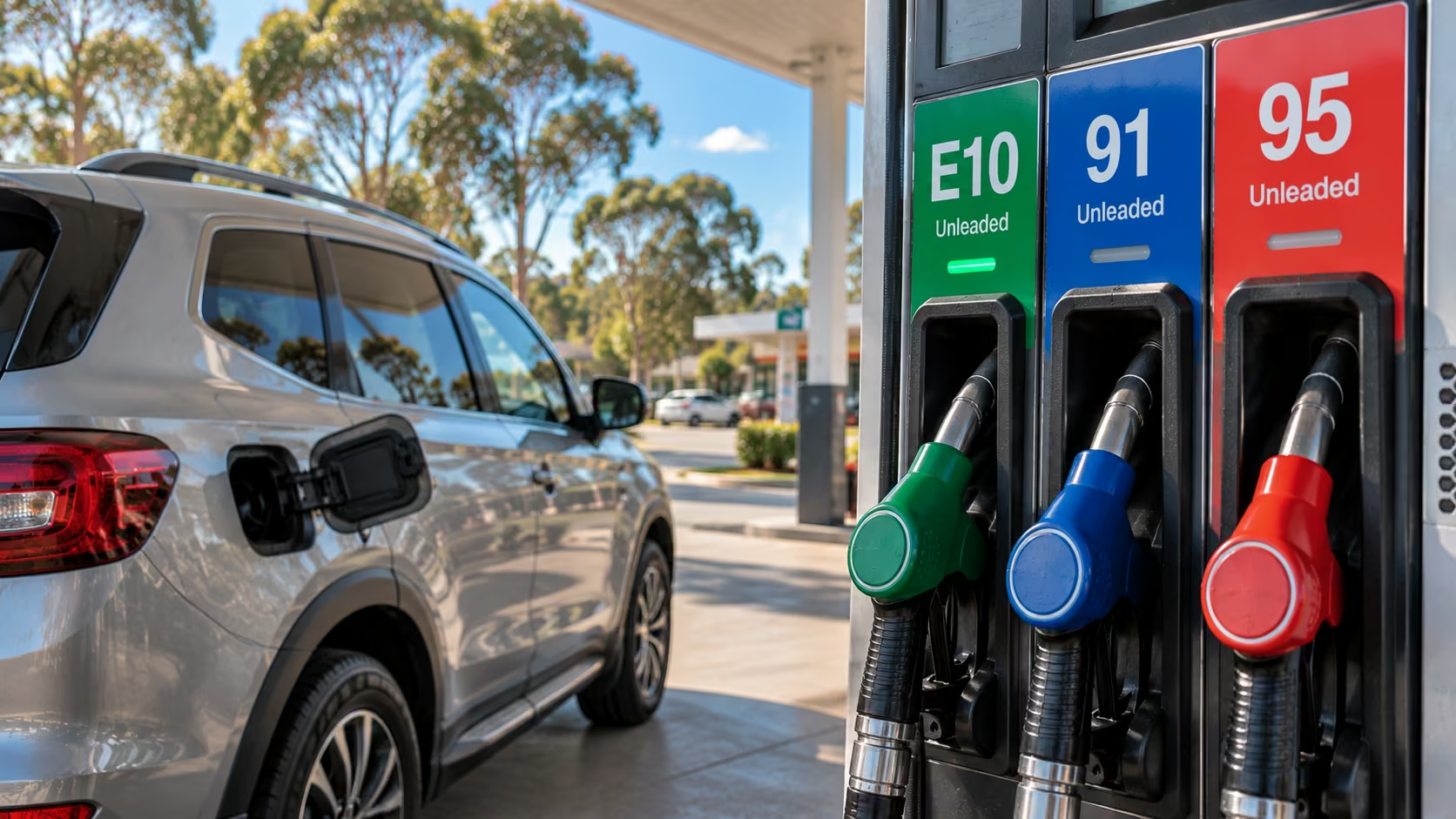
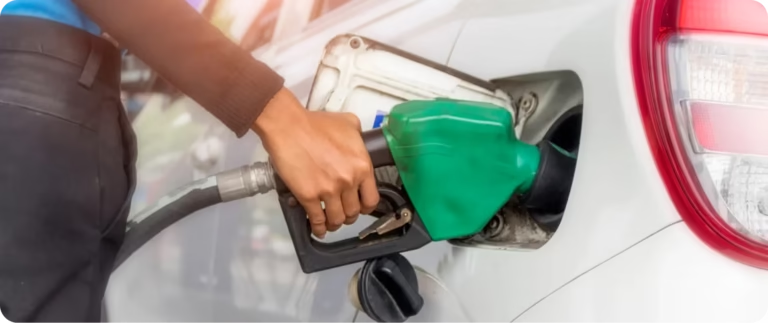
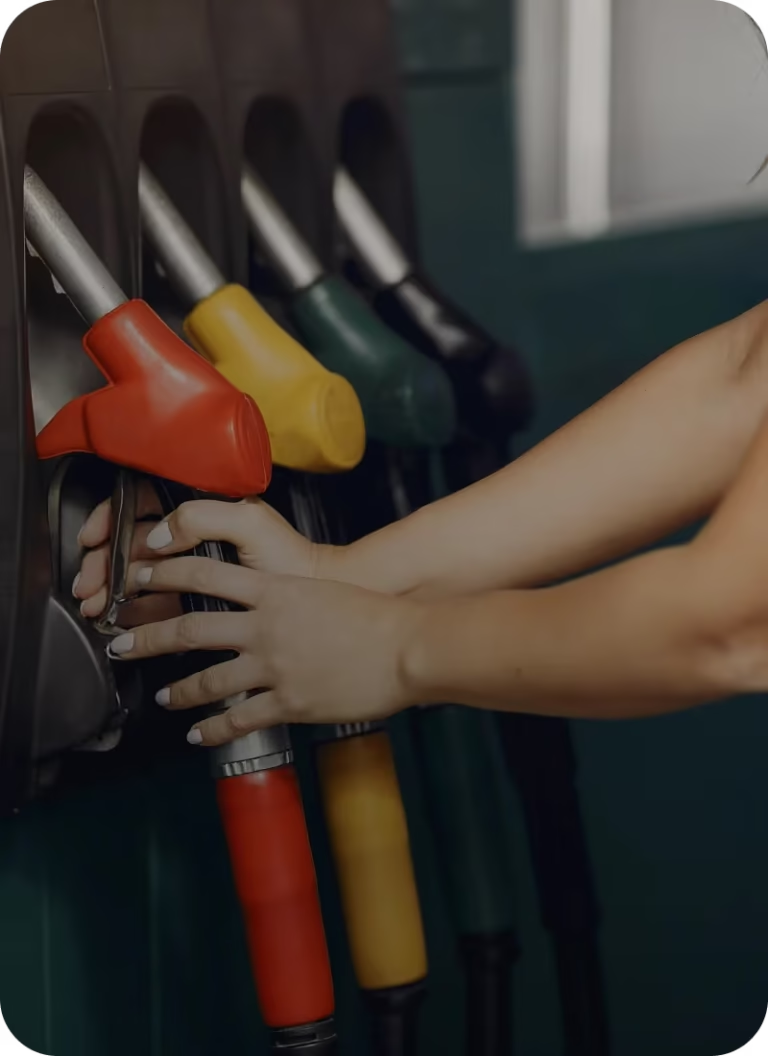
E10 is the cheapest fuel on the bowser at most servos in Australia. It is tempting to grab it every time, especially when 95 and 98 are 30 or 40 cents a litre higher. But not every car is built to run it, and using it in the wrong vehicle can cause problems that cost more than whatever you saved at the pump.
Here is what E10 actually is, how it compares to 91 and 95, and how to know whether your car can handle it.
What Is E10 and How Is It Different From 91 or 95?
E10 is regular unleaded petrol blended with up to 10% ethanol. Ethanol is an alcohol-based fuel made from plant materials like sugarcane or grain. In Australia, E10 typically has an octane rating around 94 RON, sitting between standard 91 and premium 95.
The key difference is not the octane number. It is the ethanol itself. Ethanol absorbs moisture from the air, burns at a slightly different rate, and interacts with certain fuel system materials differently than straight unleaded.
Standard 91 has no ethanol. 95 and 98 premium fuels typically have no ethanol either, although some brands blend small amounts into their premium products.
E10 vs 91 vs 95: Which One Should You Use?
If your car’s fuel cap or owner’s manual says “E10 compatible” or “ethanol suitable” then you can use E10 without worries. Most cars made in Australia after 2005 are built to cope with it.
If your car needs minimum 91 RON and doesn’t mention ethanol, use standard 91. Similar octane but the ethanol content is the issue.
If your car requires it, use 95 or 98. Many of these cars are tuned for higher octane and have ethanol sensitive fuel systems. Especially for European vehicles such as BMW, Mercedes, Audi and Volkswagen.
First, check the fuel cap. If it doesn’t say E10 or ethanol, don’t assume it’s safe
Does E10 Damage Engines?
No, not in a compatible car. Millions of Australians use it every day and have no issues.
Over time the ethanol can cause problems in a non-compatible car. It draws water out of the atmosphere and causes corrosion in the fuel tank and lines. It also damages rubber seals and plastic parts in older fuel systems, which can lead to leaks and clogged filters.
One accidental tank is unlikely to lead to a breakdown. But it builds up problems when used repeatedly, and by the time you notice rough idling or starting difficulty, the damage may already be done.
The fuel economy takes a hit of 3% to 4% over straight 91 because ethanol has less energy per litre.
Which Cars Should Not Use E10?
As a general guide, be cautious with E10 in the following:
- Cars built before 2005, particularly Japanese and European models
- European performance vehicles specifying 95 or 98 RON only
- Cars with carburettor fuel systems rather than fuel injection
- Motorbikes, particularly older models with rubber fuel lines
- Small engines like lawn mowers, chainsaws, and outboard motors
If you are not sure, the Federal Chamber of Automotive Industries maintains a list of E10 compatible vehicles on their website.
What to Do If You Have Put E10 in a Car That Cannot Handle It
If you filled up a tank of E10 in a non-compatible car don’t panic. One tank probably doesn’t pose an immediate threat. If you drive normal, next time fill with the correct fuel. Use it up.
If your car is running rough after repeated use of E10, stop and go to standard 91, 95 or 98. If symptoms persist, have the fuel system checked by a mechanic.
If you have put the completely wrong type of fuel in your car, e.g. diesel in petrol or petrol in diesel, it is a completely different situation. Don’t start the engine, call for professional help.
Frequently Asked Questions
Can I put E10 in my car?
If your car is listed as E10 compatible by the manufacturer, yes. Check your fuel cap, owner’s manual, or the FCAI compatibility list. If none of these confirm compatibility, use standard 91 or the minimum octane your car requires.
Is E10 the same as 91 unleaded?
No. E10 contains up to 10% ethanol blended with unleaded petrol and has an octane rating around 94 RON. Standard 91 unleaded contains no ethanol. They are different fuels with different properties.
Can E10 damage a European car?
It depends on the model. Many modern European cars are E10 compatible, but older models and those requiring 95 or 98 may have fuel system components sensitive to ethanol. Check the manufacturer’s recommendation before using E10.
What if I accidentally filled my car with E10?
One tank in a non-compatible car is unlikely to cause immediate damage. Use it up with normal driving and fill with the correct fuel next time. If the car runs rough or shows warning lights, have the fuel system checked.
Put the Wrong Fuel Type in Your Car?
E10 in the wrong car is manageable. Petrol in a diesel or diesel in a petrol is an emergency. If you have put the completely wrong fuel type in your vehicle, do not start the engine.
Call Wrong Fuel Help on 0432 553 905. Available 24/7 across Newcastle, Hunter Valley, Central Coast, and regional NSW.